

Does Health Insurance Cover Actinic Keratosis? What You Need to Know
Health insurance often covers actinic keratosis (AK) treatment because it is considered a medically necessary condition linked to potential skin cancer risk. This article explains what is typically...
Read more
Is Actinic Keratosis More Common in Men or Women? What the Numbers Say
Actinic keratosis (AK) is slightly more common in men than in women, but the difference is driven more by long-term sun exposure than by biology alone. This article explores how cumulative UV damag...
Read more
Photodynamic Therapy for Skin Cancer: Harnessing the Power of Light
Photodynamic therapy (PDT) is a light-based dermatological approach used to address certain types of sun-damaged skin and early-stage non-melanoma skin conditions. Instead of removing tissue throug...
Read more
The shifting nature of sun-damaged skin and actinic cancer risk factors
The shifting nature of sun-damaged skin reflects how actinic keratosis develops over time through cumulative UV exposure. These lesions may appear to improve and return, as underlying...
Read more
Is It Bad to Pick at Actinic Keratosis?
Actinic keratosis (AK) often creates a strong temptation to scratch, peel, or pick at rough or flaky spots. While it may seem harmless in the moment, disturbing these lesions can lead to irritation...
Read more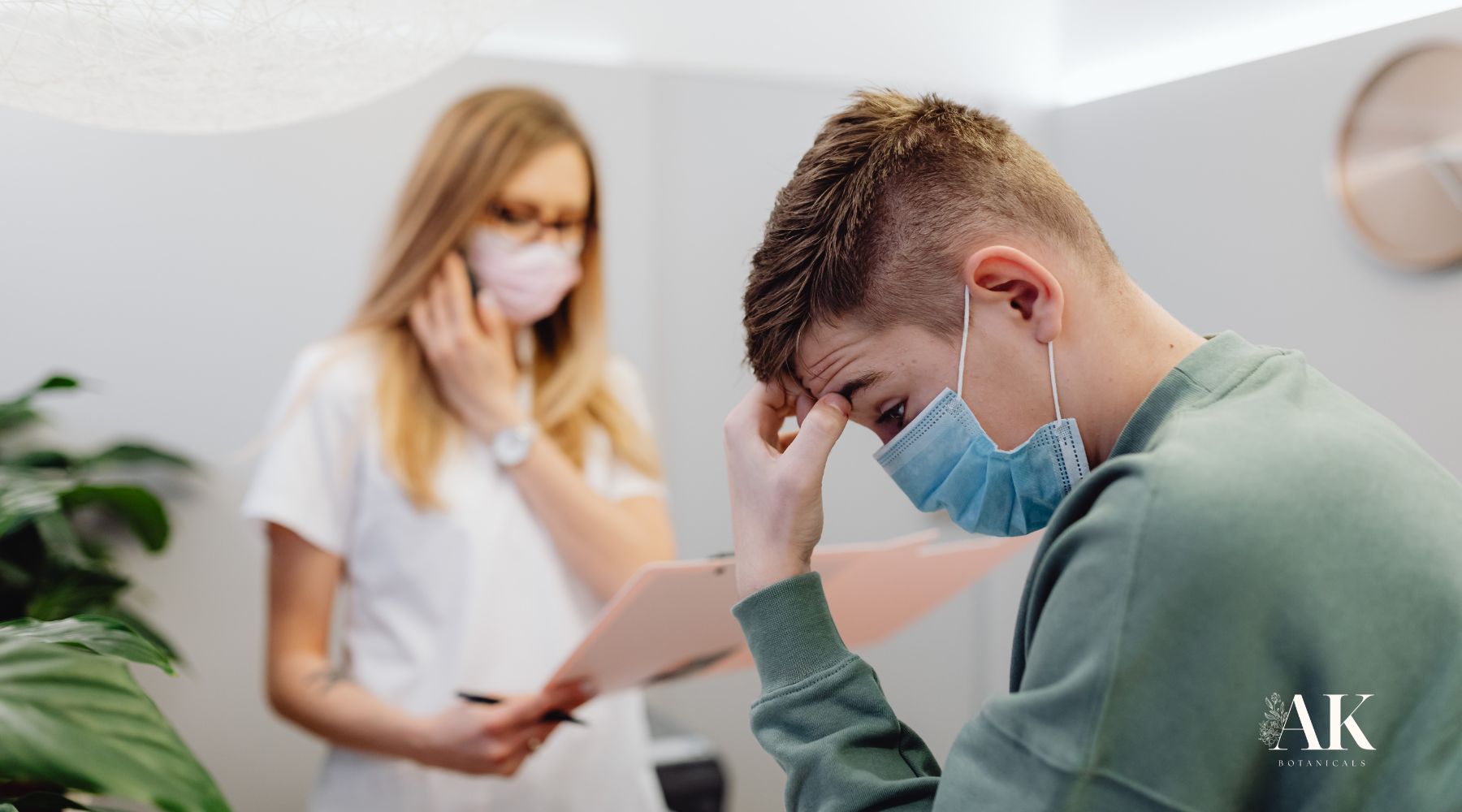
Can Actinic Keratosis Come and Go?
This article explains why actinic keratosis can appear to fade and return, highlighting how sun exposure, seasonal changes, immune fluctuations, and the skin’s natural renewal cycle influence its v...
Read more
How Dermatologists Identify Actinic Keratosis and Rule Out Skin Cancer
This article explains how a small rough patch on the skin can sometimes be an early sign of actinic keratosis — a condition caused by cumulative sun exposure that requires evaluation by a qualified...
Read more
Actinic Keratosis vs. Melanoma Understanding the Difference
This article explains the differences between actinic keratosis and melanoma—two conditions often confused because they can appear as new or changing spots on the skin. Actinic keratosis forms in t...
Read more
When a Single Actinic Keratosis Spot Turns Into Many
Actinic keratosis can seem like it’s “spreading,” but dermatologists clarify that these rough, scaly patches don’t move across the skin like an infection. Instead, new lesions appear because of lon...
Read more
Actinic Keratosis vs. Eczema: Decoding Your Skin's Signals
Actinic keratosis (AK) and eczema may look similar, but they are very different skin conditions with distinct causes and care needs. This article explains how actinic keratosis results from long-te...
Read more