
When a Single Actinic Keratosis Spot Turns Into Many
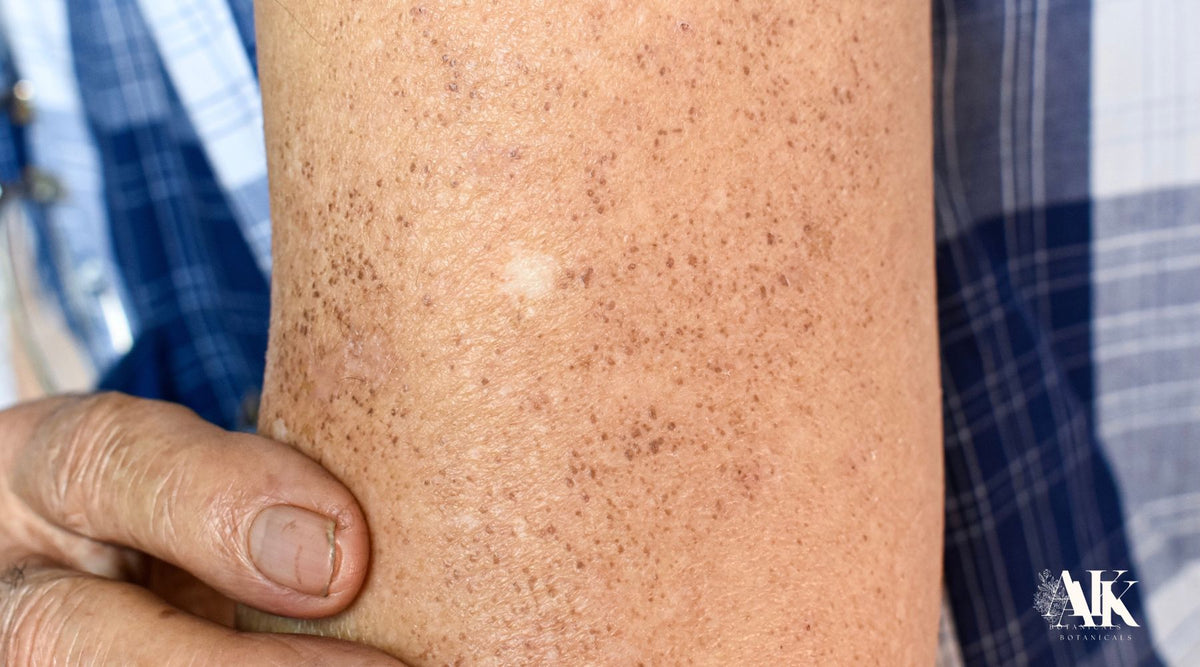
It often starts with one tiny patch. A small, rough bump on your forehead, shoulder, or forearm that seems harmless at first glance. Weeks later, you notice another—then a few more nearby. They’re dry, scaly lesions and seem to multiply. Naturally, the question arises: Is it spreading?
Dermatologists hear this concern daily. The idea of a precancerous spot “moving” across the skin feels alarming, but the reality is more complex—and more hopeful—than it sounds. Actinic keratosis (AK) doesn’t spread in the way an infection does; instead, it reveals an underlying process of chronic actinic damage that has been unfolding quietly for years.
Over time, multiple actinic keratoses may appear on the same sun-exposed area, a visible reminder that the effects of long-term sun damage accumulate and that keratoses develop as part of this process.
Understanding What “Spread” Really Means in Actinic Skin Conditions
Not contagious, but cumulative
Actinic keratosis isn’t caused by bacteria or viruses—it results from ultraviolet (UV)-induced DNA damage in skin cells called keratinocytes. That means you can’t “catch” it or pass it to anyone else. When new skin lesions appear, they’re not migrating from one spot to another; they’re new expressions of old sun damage and deep-rooted actinic damage. These cumulative changes explain why multiple keratoses actinic may emerge across sun-exposed regions over time.
The field effect
Dermatologists describe this as field cancerization—a broad area of skin that has accumulated genetic mutations from years of sunlight. Within this field, any number of cells can become atypical over time, which explains why lesions seem to pop up in clusters or expand slowly across a region such as the scalp, face, or forearms. So, while it feels like spreading, it’s actually the skin showing more of what’s already there beneath the surface—evidence of chronic keratosis development and potential precursors to skin cancer.
How Ultraviolet Light Affects Skin and Leads to Actinic Keratosis
DNA injury and repair fatigue
Each moment of unprotected sun exposure triggers DNA breaks in keratinocytes. Normally, enzymes repair these errors. After decades of exposure, the repair system becomes less efficient. Mutations accumulate in genes such as p53, which regulate cell growth. When enough mutations build up, certain cells begin to grow irregularly, forming rough, scaly plaques—classic actinic keratosis lesions associated with sun damage and considered early indicators of potential skin cancer.
Chronic inflammation
Repeated UV exposure also stimulates chronic, low-grade inflammation. The skin releases cytokines that attract immune cells. While this response is meant to heal, persistent inflammation can weaken local defenses and create an environment where abnormal cells or growths survive longer, increasing the likelihood of future skin cancer formation.
Immunosuppression and oxidative stress
Sunlight suppresses local immune activity and generates reactive oxygen species—unstable molecules that further damage cell structures. Combined, these processes expand the field of altered cells and set the stage for ongoing keratosis development, a precursor event often linked to actinic keratoses and skin cancer progression.
Why Some Skin Areas Develop Clusters of Keratosis
Geography of exposure
Areas that receive the most sun—scalp, face, ears, neck, forearms, and hands—show the densest clusters. These regions also have thinner skin and fewer protective oils, which makes them more vulnerable to UV penetration and actinic damage.
Lifestyle patterns
Outdoor workers, sailors, gardeners, and golfers experience repetitive exposure that reinforces the field effect. Even drivers develop more lesions on the window side of the body because UVA rays penetrate glass, increasing cumulative sun damage and long-term risk factors for both actinic keratosis and skin cancer.
Age and skin type
Fair skin contains less melanin protection, so cumulative damage appears sooner. Age itself reduces DNA repair efficiency, meaning older skin develops new lesions more readily. This ongoing keratosis development explains why dermatologists emphasize lifelong protection and regular screenings to catch early-stage skin cancer changes.
From UV Damage to Visible Actinic Lesions — The Dermatology Chain
-
UV injury: radiation damages DNA in basal keratinocytes.
-
Repair attempt: enzymes correct many errors; some persist.
-
Clonal expansion: mutated cells divide, gradually replacing normal ones.
-
Clinical visibility: as these clones reach the surface, the skin thickens and roughens.
-
New lesions nearby: adjacent cells share similar mutations, so several lesions emerge within the same region.
This process can take years, which is why actinic keratosis often appears gradually, seemingly “spreading” with time. Dermatologists view this as a key stage in how keratoses develop and, if left unchecked, how some may eventually transition toward skin cancer.
Does Touching Actinic Keratosis Make It Spread?
No. Rubbing or scratching won’t transfer abnormal cells. However, irritation can cause inflammation and delay healing after professional treatments. The main driver of new lesions is continued UV exposure, not physical contact. Dermatologists caution that manipulation of skin lesions or home removal attempts can worsen irritation rather than improve outcomes.
When Skin Lesions Multiply After Treatment for Actinic Keratosis
Patients sometimes notice more rough patches appearing after cryotherapy or topical therapy. Dermatologists call this the “unmasking effect.” Treating one lesion can make surrounding subclinical ones become visible as the field renews itself. Rather than new spread, it’s a sign that underlying damaged cells are surfacing—and that the skin is revealing areas that still need attention. It’s also a normal part of ongoing keratosis development after managing actinic damage in previously sun-exposed regions.
The Immune System’s Role in Containing Actinic Skin Changes
Our immune cells constantly patrol for mutated keratinocytes. When this surveillance weakens—from stress, illness, or immunosuppressive medications—previously dormant cells can proliferate. That’s why people recovering from organ transplants or long steroid use often develop numerous AK lesions. Supporting immune health through balanced nutrition, adequate rest, and protection from additional sun damage helps maintain this natural containment system and reduces risk factors associated with skin cancer.
Why New Actinic Keratosis Spots Appear Even After Years of Skin Care
Even the most diligent protection can’t erase past exposure. Skin has a long memory; mutations acquired decades earlier may only now become visible. This is why dermatologists emphasize long-term surveillance rather than a one-time fix.
Every new spot is a signal to keep monitoring, not a sign of failure. Regular check-ups allow professionals to distinguish harmless texture changes from lesions needing treatment and to detect rare transformation into carcinoma (such as squamous-cell carcinoma). If indicated, clinicians can discuss options such as cryotherapy, topical management, or minor surgery for targeted removal.
Professional Dermatology Monitoring and Field Therapy for Keratosis
Dermatologists may recommend treating entire photodamaged areas with topical field therapies. These approaches—such as 5-fluorouracil, imiquimod, diclofenac gel, or photodynamic therapy—address both visible and microscopic lesions within the field. Depending on the case, a dermatologist may combine topical management with procedural options like cryotherapy or surgery for precise removal of persistent growths.
Botanically inspired skincare can be used adjunctively to comfort and support the barrier before and after medical treatment, provided your physician approves. Such products should complement—not replace—professional care for actinic keratosis, actinic keratoses, or suspicious skin lesions that might evolve into skin cancer.
The Psychological Side of Managing a Chronic Actinic Skin Condition
Seeing new spots emerge can be emotionally draining. Patients often describe anxiety each time they find a rough patch. Understanding that these changes reflect cumulative sun damage—not infection or personal neglect—can relieve guilt and empower preventive action.
Creating a supportive routine—sun protection in the morning, calming botanical serum at night—turns care into ritual rather than worry.
Realistic Expectations: Managing Actinic Keratosis as a Chronic Skin Issue
Current science views actinic keratosis as a chronic condition that can be managed but rarely erased permanently. The goal is to reduce the number of lesions, detect any progression early, and maintain comfort. Consistency—not aggression—delivers the best outcomes. Gentle, sustained habits outperform harsh, sporadic measures and may slow future keratosis development and the potential escalation toward skin cancer.
Actinic Keratosis FAQs and Key Skin Health Insights
Can AK spread to other people?
No. It’s non-infectious and linked solely to UV exposure and cumulative actinic damage.
Can AK turn into skin cancer?
A small percentage of actinic keratosis lesions may evolve into squamous-cell carcinoma over time. Regular monitoring ensures early detection and proper management before skin cancer advances.
Does shaving or touching make it worse?
Not directly, but friction can irritate lesions. Use clean blades and moisturize afterward. Always follow dermatologist instructions after treatment or surgery.
Can botanical skincare replace medical treatment?
No. Botanically infused products may support skin but should complement—not substitute—dermatologist-directed care, particularly when managing growths or evaluating options for clinical removal.
What people interpret as “spread” is really the gradual unveiling of a lifetime of sunlight. Each new patch is another marker of the same story—a story written in ultraviolet ink.
With informed care, that story doesn’t have to end badly. Sun protection, regular check-ups, and supportive botanical skincare form a triad of prevention, observation, and nourishment. Over time, these practices slow new keratosis development and help your skin look calmer, stronger, and more balanced—minimizing future skin cancer risks.
AKti-Clear™ is a dermatological skincare product formulated to manage actinic keratosis and sun-damaged skin. It is not intended to diagnose, treat, cure, or prevent any disease. The information provided is for educational purposes only and should not replace professional medical advice. Always consult a qualified dermatologist or healthcare provider regarding actinic keratosis, skin lesions, or any other condition.
Sources & Further Reading
-
American Academy of Dermatology Association – Actinic Keratosis Overview
-
Green AC et al., Journal of Investigative Dermatology, 2022 – UV-induced DNA damage mechanisms
-
ScienceDirect – Phytochemical Analysis and Anticancer Activity of Annona muricata Extracts