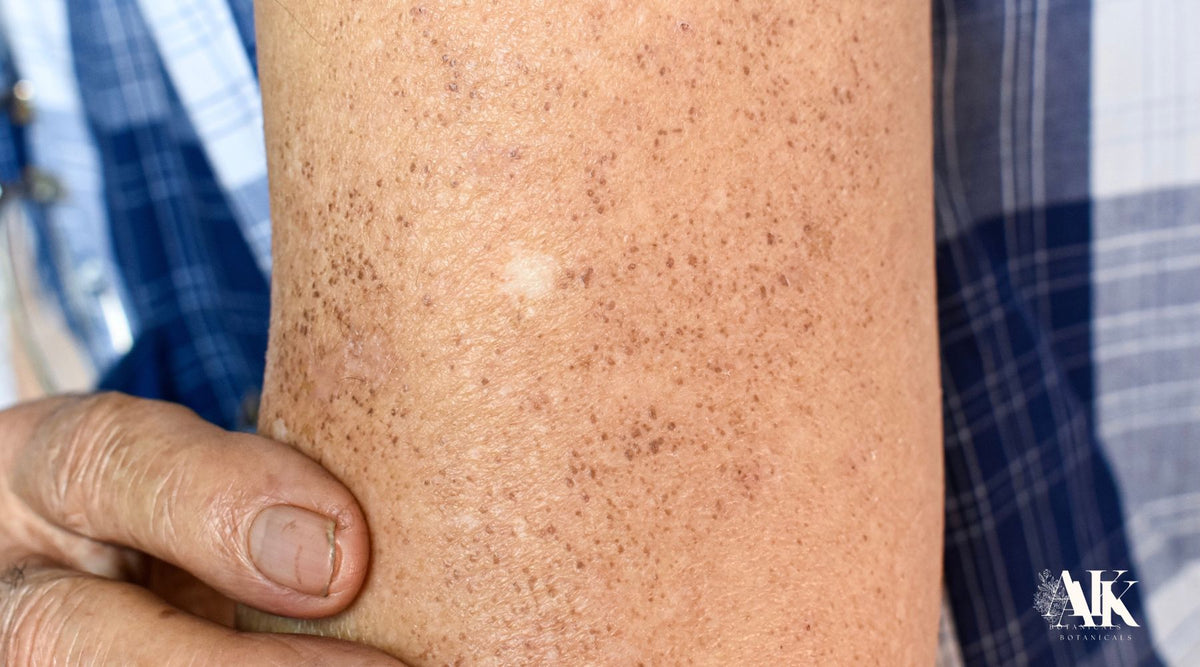

How Dermatologists Identify Actinic Keratosis and Rule Out Skin Cancer
It often begins with something small — a patch of skin that feels a little rougher than usual. You might notice it while applying lotion or brushing your hand across your arm. At first, it seems harmless, maybe just dryness from the sun or a touch of irritation. But when it comes to skin health, early detection is everything.
Many people first notice that small, rough patch of skin and brush it off as dryness, eczema, or maybe even a lingering sunburn. But sometimes, that tiny patch carries more weight. It might be an early warning sign of actinic keratosis (AK) — a precancerous condition caused by long-term sun exposure. If left untreated, some actinic patches can progress to squamous carcinoma , a form of skin cancer that begins in the upper layer of the skin. That’s why understanding risk factors, recognizing symptoms, and confirming any suspicious lesion with a dermatologist is so essential.
Learning how to truly listen to your skin is one of the simplest ways to take care of yourself. When something feels different, knowledge brings calm. Understanding how dermatology experts evaluate keratosis lesions, the tools they use, and what patients can expect during a visit helps you take an active role in your care — from discussing a potential skin biopsy to exploring treatment options and following prevention guidelines that support long-term skin wellness alongside your doctor’s guidance.
Why Diagnosis Matters for Your Skin
Sun-damage builds up over time, especially in people with fair complexions, light eyes, or a history of sunburns. Those who spend years under direct sunlight — whether for work or recreation — face increased risk factors for developing actinic keratosis.
But here’s the challenge: these lesions don’t always look the same. Some are pink and scaly; others red, crusty, or rough to the touch. Because of this variety, screening with a qualified dermatologist is vital for accurate diagnosis and proper treatment.
A dermatologist’s role is to determine whether the spot is:
-
Actinic Keratosis (precancerous)
-
Squamous Cell Carcinoma (cancerous)
-
Basal Cell Carcinoma (less aggressive)
-
Or another benign skin condition
Early professional evaluation helps ensure that treatment begins promptly if needed — and helps prevent the development of skin cancer in high-risk areas.
Step 1: The Clinical Exam with a Dermatologist
The diagnostic process starts with an in-office exam. A dermatologist carefully evaluates your skin, noting the shape, color, and texture of any suspicious areas. Actinic damage often presents as a dry, sandpaper-like patch that doesn’t go away with moisturizer.
Patterns matter: Dermatologists look for clusters of lesions in sun-exposed areas such as the face, scalp, arms, and hands. They’ll also review your medical and sun-exposure history, family background, and prior melanoma or skin cancer risk.
If uncertainty remains, additional tools help confirm the diagnosis and rule out melanoma or other skin cancer types.
Step 2: Dermatoscopy — Understanding Skin Cell Patterns
Dermatoscopy allows the dermatologist to examine actinic changes beneath the surface. The magnified view helps detect vascular and pigmentation patterns that distinguish AK from benign keratosis lesions or psoriasis.
This non-invasive tool provides vital clues about cell structure but doesn’t replace a skin biopsy when skin cancer is suspected. Instead, it guides whether a sample should be taken for laboratory analysis.
Step 3: The Biopsy — Confirming Abnormal Cell Growth
When a lesion doesn’t match the classic actinic profile, or when signs suggest deeper invasion, the next step is a skin biopsy.
During the procedure, the dermatologist removes a small tissue sample, which a pathologist examines under a microscope to assess for abnormal or cancerous cells. This analysis helps determine whether the lesion represents actinic keratosis, carcinoma squamous, basal cell carcinoma, or another skin disorder.
Some cases may call for more precise removal techniques like Mohs surgery, a specialized procedure performed under local anesthesia that removes one thin layer of tissue at a time until no cancer cells remain. Mohs offers the highest cure rate while preserving healthy skin.
Why Actinic Keratosis Can Confuse Dermatologists
Because actinic keratosis shares features with other skin conditions, even trained eyes must occasionally rely on biopsy confirmation.
-
Eczema and psoriasis cause red, scaly patches but usually respond to moisturizers or steroids.
-
Seborrheic keratosis presents as raised, waxy growths, whereas actinic spots feel rough and gritty.
-
Warts can mimic the texture of AK, but they stem from viral causes.
Accurate diagnosis ensures proper treatment and avoids unnecessary removal of harmless lesions.
The Stakes: From AK to Squamous Cell Carcinoma
Statistics show that a small percentage of actinic keratoses can progress into squamous cell carcinoma over time. Those with multiple actinic lesions face a greater cumulative risk, emphasizing the importance of consistent dermatological monitoring and preventive treatment.
In certain cases where cancerous changes are found, Mohs surgery remains the gold standard for removal, offering tissue-sparing precision and clear margin control under established medical guidelines. This approach is especially useful in areas where preserving healthy tissue is crucial, such as the face or neck.
The Patient Experience — What to Expect from Your Dermatologist
During a dermatology visit, patients typically experience:
-
A visual inspection of your skin from head to toe
-
Dermatoscope imaging for magnified assessment
-
Discussion of prior actinic damage and sun habits
-
A skin biopsy if needed for confirmation
Once results return, your dermatologist explains whether the lesion is benign, precancerous, or malignant — and outlines potential treatment options or preventive steps to reduce the chance of future skin cancer development.
Beyond Diagnosis: Treatment Options for Actinic Keratosis
For confirmed actinic keratosis, treatment options may include:
-
Cryotherapy (freezing lesions with liquid nitrogen)
-
Prescription topical therapies (5-FU, imiquimod, or diclofenac)
-
Photodynamic therapy (light-based treatment targeting abnormal cells)
-
Laser therapy or excision for thicker or resistant lesions
-
Mohs surgery if malignancy is confirmed
Ongoing follow-up ensures the best results, especially for individuals with chronic sun exposure or recurrent actinic lesions.
The Role of Supportive Skincare for Your Skin Health
Some people choose to use botanical skincare products to maintain overall skin wellness between medical visits. These products can complement dermatologist-directed care by helping the skin feel more balanced, nourished, and comfortable on a daily basis.
Botanicals such as soursop (Annona muricata) and bloodroot (Sanguinaria canadensis) have been studied in vitro for their antioxidant and soothing potential on actinic-damaged skin. Studies suggest that these natural compounds may help calm visible irritation, neutralize free radicals, and support the skin’s natural ability to restore balance after environmental stress.
Products like AKti-Clear™ are formulated to support skin health through botanical care, offering a holistic approach to caring for your skin between checkups. When used as part of a broader wellness routine that includes medical guidance and sun protection, botanically infused skincare can help maintain the skin’s health.
Important Note: AKti-Clear™ is not intended to diagnose, treat, cure, or prevent any disease. It is formulated to support sun-exposed skin and should always complement, not replace, professional treatment or a dermatologist’s care plan.
Sun Safety: How to Protect Your Skin
Preventing actinic damage and skin cancer starts with consistent care:
-
Apply SPF 30+ sunscreen every morning
-
Wear hats and long-sleeved clothing outdoors
-
Avoid tanning beds
-
Stay in shade during midday hours
-
Conduct routine screening of your skin for new or changing spots
Daily protection is your most effective long-term defense against actinic damage, premature aging, and the development of skin cancer.
A Lifelong Commitment to Your Skin’s Health
Caring for your skin is an ongoing process. Even after successful treatment, actinic damage can reappear, particularly in areas exposed to years of sunlight. Regular checkups, self-exams, and adherence to medical guidelines promote peace of mind and long-term wellness.
Early detection, accurate screening, and professional care make all the difference — helping ensure that your skin remains healthy, protected, and resilient for years to come.