Kanuka Honey and Actinic Keratosis. What We Know So Far.
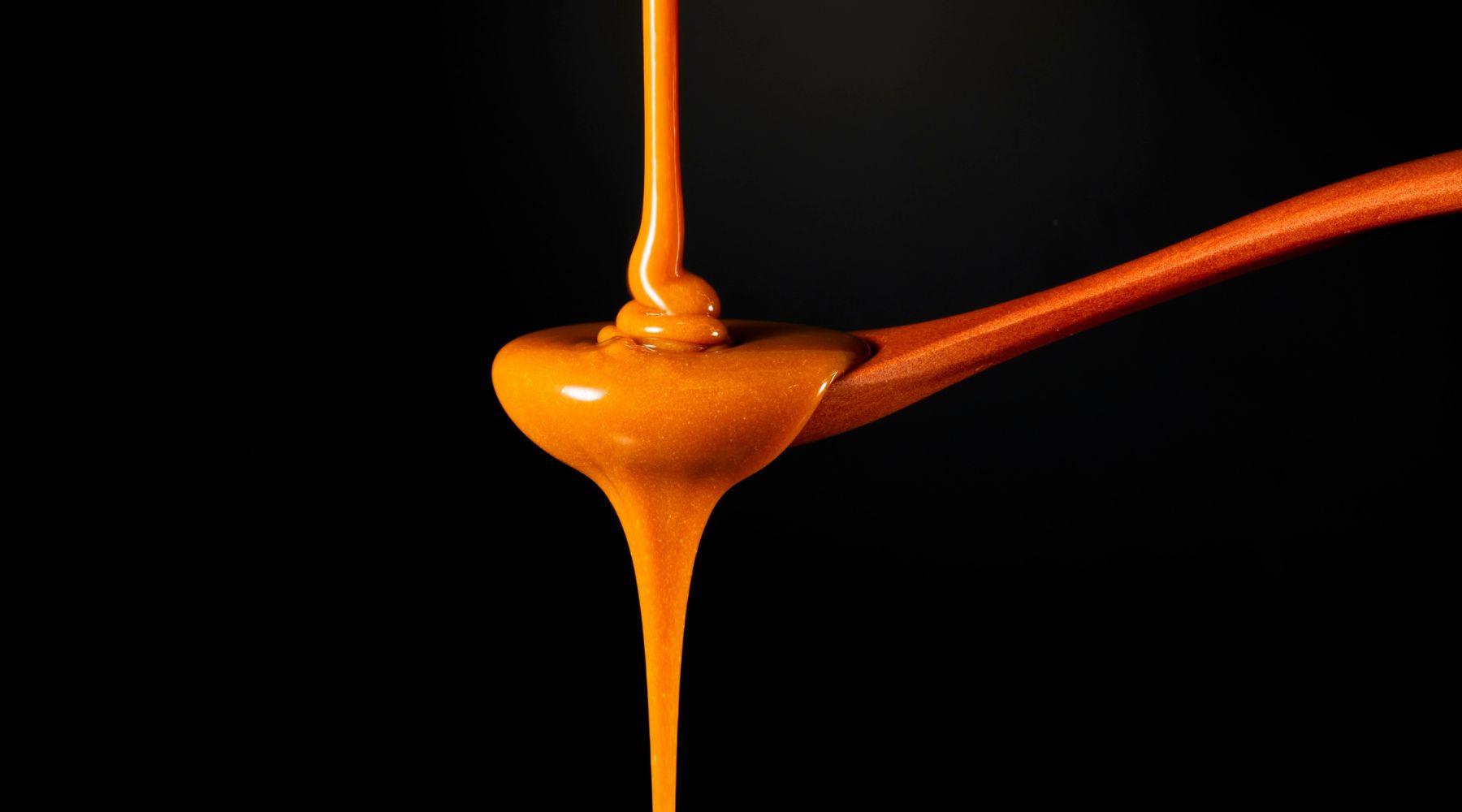
When people begin exploring natural approaches to caring for sun-damaged skin, Kanuka honey often shows up in the conversation. Sourced from the flowers of the Kunzea ericoides tree in New Zealand, Kanuka honey has gained attention for its soothing qualities and its long tradition of use in skin wellness.
Because actinic keratosis (AK) is a condition tied to chronic ultraviolet exposure and requires medical evaluation, many adults also look for non-medical skincare approaches that help maintain general skin comfort and hydration. Kanuka honey is one of the ingredients that often comes up, but it’s important to understand what it can and cannot do.
This article takes a clear, balanced look: no exaggerated claims, no substitutes for medical guidance—just what the research, tradition, and dermatology community generally acknowledge.
What Makes Kanuka Honey Interesting for Skin?
Kanuka honey is not the same as the more widely known Manuka honey, though both come from New Zealand shrubs in the myrtle family. Kanuka tends to be lighter and milder, and early research suggests it carries:
• Moisturizing properties that support the skin barrier
• Natural antioxidant activity, which helps the skin cope with environmental stress
• Calming effects, helpful for reducing visible redness and dryness
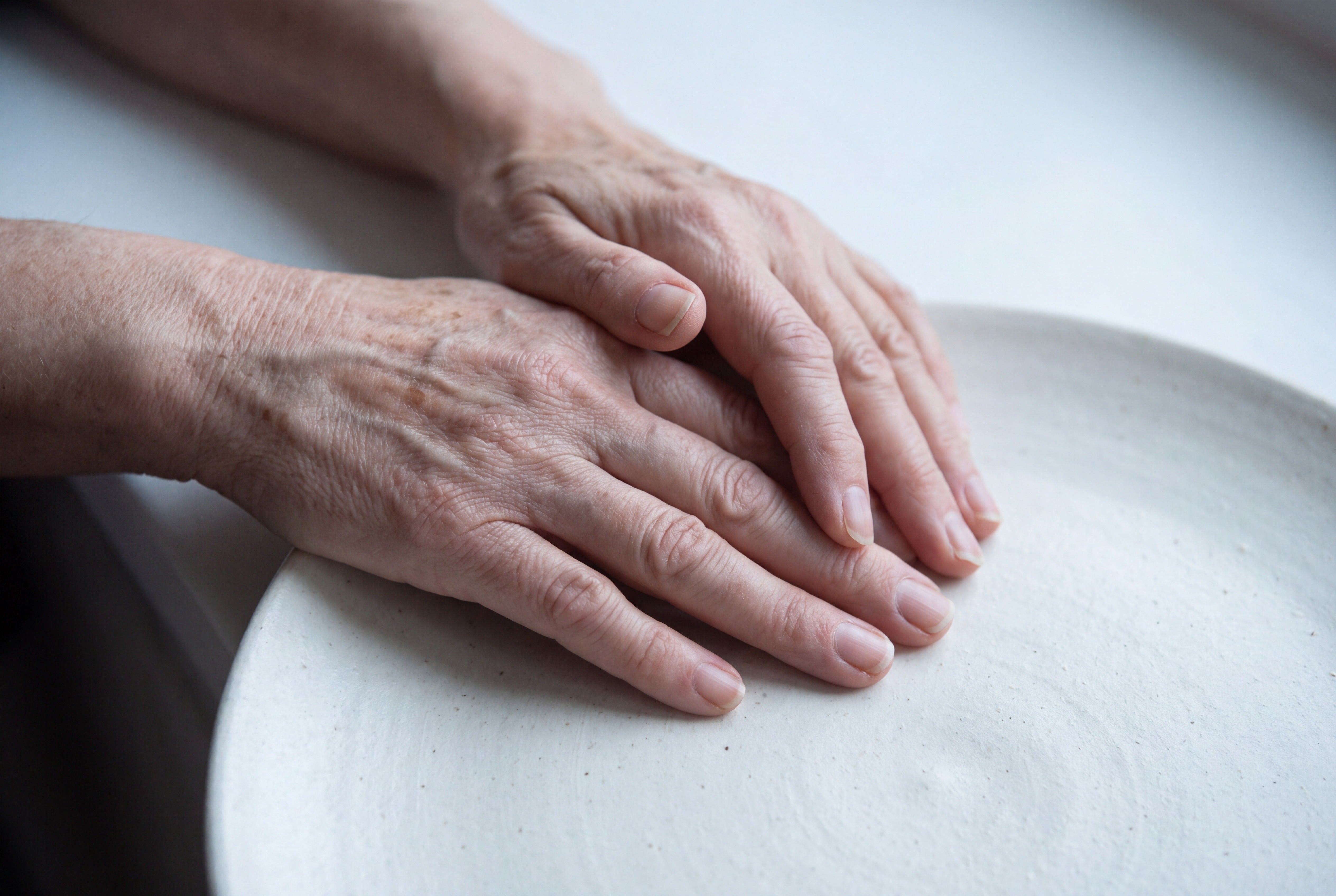
Because actinic keratosis often appears on dry, rough, sun-damaged areas, these qualities make Kanuka honey appealing as a complementary skincare ingredient—not as a medical treatment, but as part of general skin-health support.
Can Kanuka Honey Treat Actinic Keratosis?
No honey—Kanuka or otherwise—is approved to diagnose, treat, cure, or prevent actinic keratosis.
Dermatologists classify AK as a precancerous skin change that requires professional evaluation. Any suspicious lesion should always be examined by a provider who can determine appropriate care options.
Kanuka honey may support overall skin comfort, especially when dryness or irritation is present, but it is not a therapy for AK. This distinction is important both for safety and for setting the right expectations.
Why Botanicals Are Studied for Sun-Damaged Skin
People often pair an interest in Kanuka honey with other botanicals that have been studied for their effects on damaged or stressed skin. For example, research on ingredients such as soursop (Annona muricata) or bloodroot has explored cytotoxic and antioxidant activities in laboratory settings—but these studies are preliminary and not equivalent to proven therapeutic outcomes.
This is the broader context in which Kanuka honey is sometimes discussed: a growing curiosity about natural compounds that interact with skin biology. While early science can be intriguing, it should never replace medically guided care for actinic keratosis.
Where Kanuka Honey May Fit in General Skin Care
Even without medical claims, Kanuka honey offers qualities that people with sun-exposed skin often appreciate:
Moisture Support
AK-prone skin can feel rough or flaky. Kanuka honey draws moisture to the skin, helping soften dryness.
Comfort for Non-Treated Skin
Adults undergoing dermatologist-recommended procedures often choose mild, fragrance-free skincare products for areas of skin not being medically treated, with the goal of maintaining comfort and hydration.Kanuka honey can be soothing when used away from treated areas.
Antioxidant Care
Chronic UV exposure stresses the skin. Antioxidant-containing ingredients are commonly used in cosmetic skincare to support the appearance and comfort of sun-exposed skin.
A More Nurturing Skincare Experience
Because AK can be emotionally uncomfortable to manage, many people appreciate products that feel natural, mild, and intentional. Kanuka honey fits into that category.
What to Keep in Mind Before Using Kanuka Honey on Sun-Damaged Skin
• Never apply honey—Kanuka or otherwise—to open wounds or fresh medical treatment sites unless instructed by a clinician.
• If a patch of skin changes in size, shape, color, or sensation, seek medical guidance immediately.
• Kanuka honey can complement a skincare routine, but it is not a standalone management option for actinic keratosis.
Think of it as a supportive ingredient for comfort—not a corrective solution for precancerous lesions.
How People Commonly Use Kanuka Honey in Their Skincare
Although individual routines vary, the most typical use is as a hydrating mask applied to healthy, intact skin for a short period (about 10–20 minutes), then rinsed off. Others prefer it blended into moisturizers formulated by reputable brands.
If you’re caring for skin that has visible sun damage, always talk to your dermatologist before adding any new product, especially around areas affected by AK.
The Bigger Picture: Caring for Sun-Exposed Skin Over Time
Managing actinic keratosis is not just about the lesion—it’s about supporting long-term skin health. That’s why many adults combine dermatologist-recommended treatments with botanically inspired ingredients that help their skin feel calmer and healthier.
Kanuka honey is considered a cosmetic skincare ingredient and is not intended to affect the structure or function of the skin.
Kanuka honey fits this mindset: a gentle, supportive ingredient that complements - not replaces - professional care.
If you're exploring botanically inspired ways to care for visible changes caused by years of sun exposure, always choose reputable sources, understand the limits of natural ingredients, and keep your dermatologist in the loop.
For a complete overview of sun-damaged skin and rough patches, visit our Actinic Keratosis Guide. Browse all our educational resources at the AK Botanicals Resource Center. For common questions about AKti-Clear, see our FAQ page. Ready to try it? Shop AKti-Clear®.