Can Actinic Keratosis Come and Go?
The shifting nature of sun-damaged skin and actinic cancer risk factors
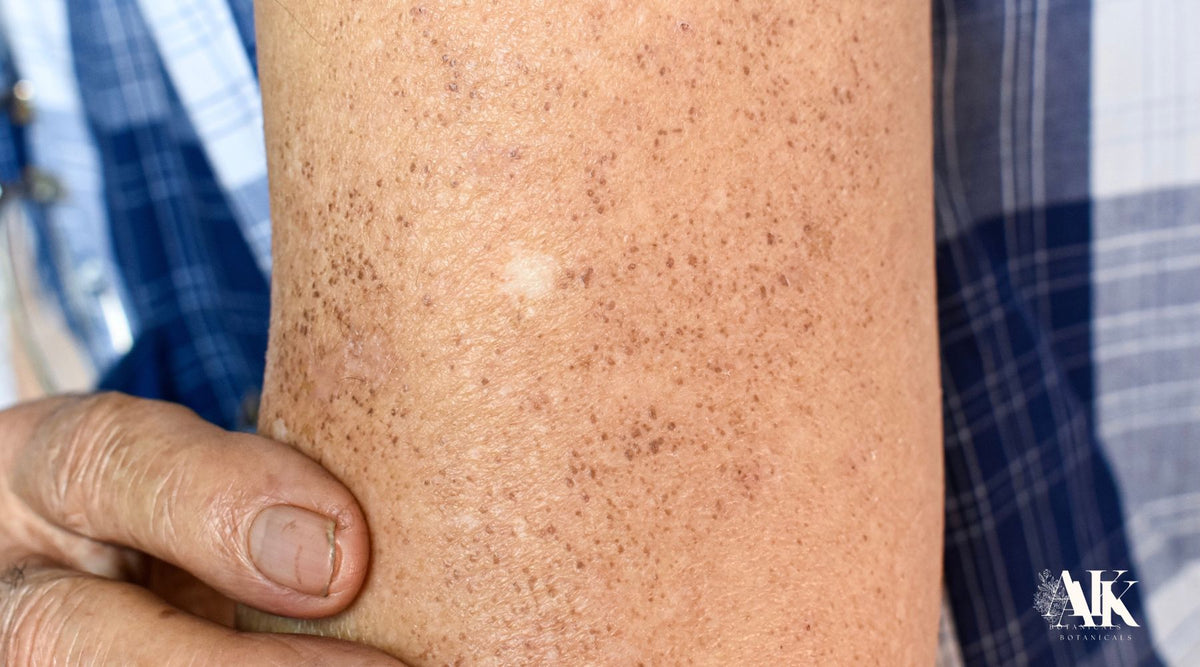
Skin rarely speaks in a single tone. Some mornings, it glows and feels smooth; other days, a subtle rough scaly texture reminds you of years of sun exposure, work, or travel. For people living with actinic keratosis, this shift can feel especially confusing.
A patch on your temple seems to calm down. A month later, it’s back again. Then, under softer light, it appears nearly invisible. Many ask, “Did it heal?” or “Is it returning?”
The truth is that actinic keratosis can seem to come and go — not because it’s entirely gone, but because of the skin’s own renewal cycles, changes in immune function, and exposure to environmental risk factors that constantly shape the skin’s surface.
Understanding this rhythm is essential not only for managing keratosis symptoms but also for caring for affected skin and supporting overall skin condition health. Healthy skin care is an ongoing relationship with your body’s largest organ.
The illusion of disappearance in sun-damaged and precancerous skin
Skin constantly renews itself. Every four to six weeks, the outermost layer — the stratum corneum — sheds old cells and brings forward new ones. This natural cycle includes a process called apoptosis, which is the body’s way of allowing older or damaged cells to safely break down and make room for healthier ones.
If an AK lesion is shallow, this turnover can temporarily smooth the rough scaly texture and make it appear to fade. Beneath the surface, however, clusters of altered keratinocytes — skin cells that have sustained DNA damage — may remain.
That’s why dermatology professionals often describe actinic keratosis as a “field disease.” Even when one visible patch clears, the surrounding affected skin may carry invisible changes from chronic UV exposure. As the renewal process continues, those lesions can reappear in the same area or nearby. In long-term cases, such recurring changes can increase the likelihood of cancer development in chronically sun-damaged skin.
What drives the cycle of fading and return in actinic keratosis and skin cancer risk
Seasonal light exposure and actinic cancer risk
Sunlight isn’t constant throughout the year. In cooler or overcast months, UV radiation is lower, and keratoses may lighten. When summer arrives, longer days and outdoor activity intensify exposure. Even reflected sun rays from sand, snow, or water can reactivate previously quiet growths.
This pattern is why many dermatologists see more keratosis actinic visits in early autumn — after months of accumulated sun that reactivates the damage.
Skin immune response and actinic keratosis recurrence
The immune system helps control abnormal cells, including those in actinic keratosis. When immunity is strong, some lesions regress naturally. When the immune system weakens — due to stress, aging, illness, or certain medications — AKs may recur or multiply.
Fluctuations in immune strength can therefore cause actinic keratosis to appear cyclical. The same skin area that looked smooth last season might show new scaling after a stressful or exhausting period.
The role of the skin barrier in reducing risk factors
Dehydration, harsh cleansers, and aggressive exfoliation can make surface cells shed faster, creating a temporary look of improvement. However, unless the barrier is restored and protected, deeper photodamage remains unaddressed.
Healthy dermatology care involves both cellular repair and surface protection — two processes that work hand in hand to reduce risk and support affected skin. When these defenses weaken, skin cancer cells can form more easily in chronically sun-exposed areas.
Regression vs recurrence — what’s really happening in actinic keratosis and skin cancer
Dermatologists sometimes observe spontaneous regression, when a lesion truly resolves. Studies suggest that this happens in roughly 15–25 % of AK cases. However, recurrence in the same area remains common, partly because the surrounding affected skin still holds UV-induced mutations.
That’s why professional monitoring is essential. Even if the patch looks normal to the eye, microscopic changes may continue. Early detection ensures that any evolving keratosis actinic area is addressed before it develops further — helping to lower future cancer risk and keep your skin healthier long-term.
Understanding the “field effect” and its link to actinic Keratosis risk factors
Actinic keratoses rarely occur alone. Over time, sun-exposed skin regions — such as the face, scalp, forearms, and hands — develop clusters of altered cells. This phenomenon, called field cancerization, describes how UV radiation damages wide areas of affected skin.
In such cases, when one visible lesion fades, others may appear nearby, giving the impression that AK migrates or “moves.” In reality, it’s the field itself — an expanse of vulnerable keratoses — that continues to express the long-term effects of sun exposure and cumulative skin cancer risk.
The biology of fluctuation in actinic keratosis and skin cancer progression
Actinic keratosis is a condition rooted in cellular stress and chronic sun damage. UV light alters DNA and weakens the natural repair enzymes that help restore damaged cells. Over time, these cumulative changes affect how the skin regenerates.
When the skin receives less sun, natural repair mechanisms (such as p53 tumor suppressor activity) can partially restore order, causing visible improvement. (Science Direct)
However, repeated sun exposure reactivates oxidative stress, inflammation, and abnormal keratinocyte growths. The back-and-forth of this internal repair-and-damage cycle explains why keratoses can seem to appear, fade, and reappear across seasons or years — and why vigilant care is vital for preventing progression to cancer.
Professional management — a steady anchor in actinic cancer risk reduction
The dermatologist’s perspective on early skin cancer or precancerous AK detection
No amount of self-observation replaces professional dermatology expertise. A specialist can distinguish between benign growths, persistent keratoses, or early transformation into skin cancer such as squamous cell carcinoma (SCC).
Regular exams — ideally every six to twelve months for those with a history of actinic keratosis — allow early intervention and peace of mind.
Treatment approaches for managing actinic keratosis and reducing skin cancer risk
Dermatologists may suggest:
-
Cryotherapy for individual lesions
-
Photodynamic therapy (PDT) for broader fields
-
Topical treatment options like 5-fluorouracil or imiquimod under supervision
These medical treatments target damaged cells more deeply than cosmetic products can. But complementary skincare plays a crucial role in maintaining comfort, supporting the barrier, and minimizing irritation during or after treatment.
Botanically inspired support for sun-exposed skin and actinic cancer care
Modern botanical science provides supportive ways to protect affected skin from environmental risk factors. Formulations like AKti-Clear™ draw inspiration from plants known to assist in managing oxidative stress and inflammation — two main triggers in actinic keratosis development.
Our botanical formula helps maintain skin comfort and resilience alongside professional guidance, contributing to a more balanced approach to sun-damage prevention.
Daily habits that support long-term skin balance and minimize skin cancer risks
Even the most advanced dermatology or botanical treatment works best when paired with daily consistency.
Here are lifestyle principles that can help reduce recurrence and promote healthier affected skin renewal:
-
Sun mindfulness: Always protect your skin from UV exposure.
-
Gentle cleansing: Avoid harsh scrubbing of rough scaly areas.
-
Nutrition: Support the skin’s defense against oxidative risk factors.
-
Hydration and stress management: Maintain balance to minimize keratosis symptoms.
Over time, these mindful choices strengthen the skin’s ability to heal and resist damaging results from over exposure to the sun and UV light.
When to seek immediate medical attention for potential actinic cancer or skin cancer symptoms
Contact your dermatologist promptly if any keratoses or lesions:
-
Bleed easily or crust repeatedly
-
Become painful, thickened, or ulcerated
-
Darken or change shape rapidly
These signs don’t necessarily indicate skin cancer, but they do require prompt professional evaluation to rule out possible cancer formation.
FAQs Actinic – Common Keratosis FAQs
Also known as keratosis faqs, this section helps clarify common doubts about actinic keratosis and how to care for sun-exposed skin.
Q: Are all actinic keratoses dangerous?
A: Not always, but each lesion represents sun-induced cellular change, so dermatological monitoring helps reduce risk.
Q: What are common keratosis symptoms?
A: Rough scaly patches, redness, or small crusted growths that may feel tender when touched.
Q: How is actinic keratosis treated?
A: Through professional treatment options such as cryotherapy, topical creams, or photodynamic therapy, often complemented by gentle botanical care.
AKti-Clear™ is a dermatological skincare product formulated to support overall sun-damaged skin health. It is not intended to diagnose, treat, cure, or prevent disease.