

Is It Bad to Pick at Actinic Keratosis?
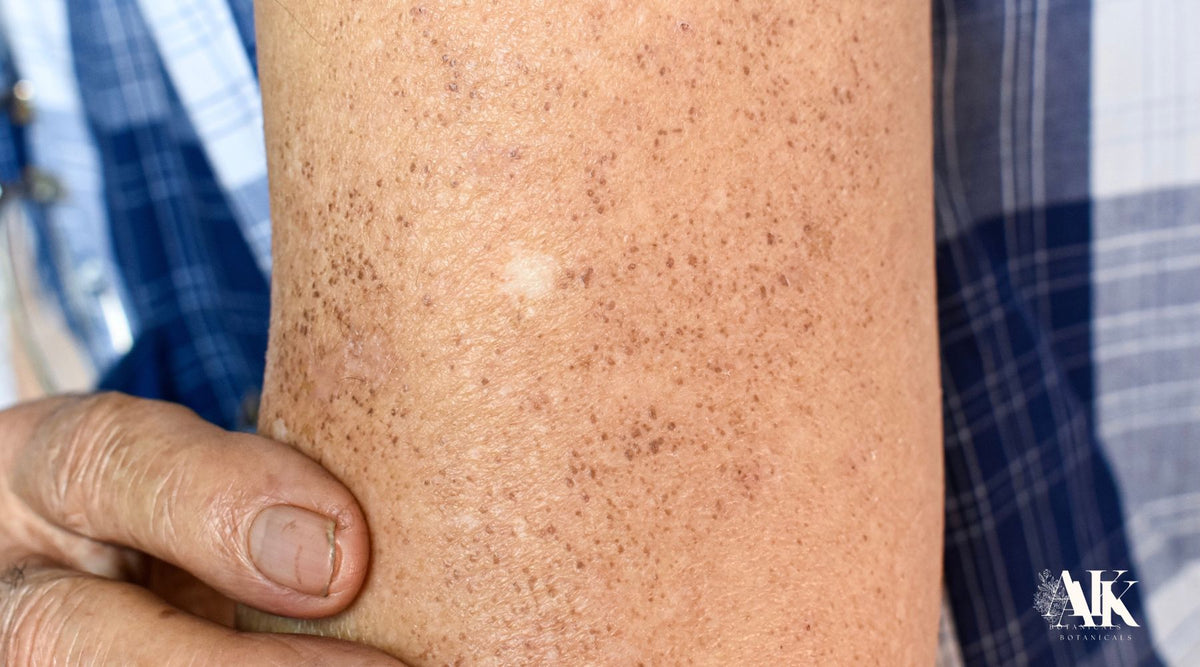
Actinic keratosis (AK) often creates a strong temptation to scratch, peel, or pick at rough or flaky spots. While it may seem harmless in the moment, disturbing these lesions can lead to irritation, increased inflammation, and potential complications. This article explains why picking at actinic keratosis is not recommended, what actually happens when you do, and what safer alternatives look like.
Why People Are Tempted to Pick at Actinic Keratosis
Actinic keratosis lesions have characteristics that invite touching. The raised gritty texture, flakes that catch on clothing, patches that appear ready to peel, and recurring scabs that seem to come and go all create a natural impulse to remove the surface material. Many people mistakenly believe that peeling away the dry surface will allow healthy skin to show again.
In reality, artificially removing the surface disrupts the skin's natural cycle and can cause irritation, swelling, and redness — often making the spot look worse, not better.
What Happens When You Pick at Actinic Keratosis?
Picking at an AK lesion exposes fragile tissue beneath the protective surface layers. This can trigger:
- Redness, stinging, and inflammation at the site
- Bleeding or oozing from disrupted tissue
- Risk of infection from bacteria introduced through broken skin
- Thickening of the lesion over time as the skin responds defensively by producing more keratin
- Scarring if the area is repeatedly disturbed
The body responds to picking by triggering an inflammatory repair response. This often makes the area more noticeable and more uncomfortable than leaving it alone.
Does Picking at Actinic Keratosis Make It More Dangerous?
Picking at actinic keratosis does not directly cause skin cancer. However, repeatedly irritating, scabbing, or disturbing a lesion can make it harder for a dermatologist to accurately evaluate its characteristics — including texture, borders, and color — which are used to determine whether closer monitoring or a biopsy is needed.
The American Academy of Dermatology and the Skin Cancer Foundation advise against picking or scratching AK lesions, because irritation can complicate evaluation and delay appropriate professional care.
Can Picking Remove an Actinic Keratosis Lesion?
No. Picking only removes the surface layer of the lesion. Actinic keratosis involves cellular changes beneath the skin surface that peeling or scratching cannot alter or remove. The underlying UV-damaged cells remain, and the rough patch will return — often more inflamed than before.
This is a common misconception that leads people to pick repeatedly, each time making the area more irritated without addressing the underlying condition.
What to Do Instead of Picking
Safer alternatives to picking include:
- Keeping the area moisturized if approved by your dermatologist to reduce the dry, flaky texture that triggers picking
- Covering the area temporarily with a light bandage to prevent unconscious touching
- Avoiding harsh exfoliants or scrubs on sun-damaged skin unless specifically directed by a medical professional
- Protecting the skin from excess sun exposure, which worsens AK lesions over time
- Scheduling an evaluation with a board-certified dermatologist to discuss appropriate care options
What About Botanical Skincare for Rough Sun-Damaged Skin?
For people looking for a home-based option to support the appearance of rough, sun-damaged skin between dermatologist visits, properly formulated botanical skincare offers a more targeted approach than picking. AKti-Clear® is a botanically infused topical solution using Sanguinaria canadensis (Bloodroot) as its primary active ingredient, applied as one small drop per spot once daily for three consecutive days.
Important: AKti-Clear® should only be applied to intact skin as directed — not to skin that has been picked, scratched, broken, or actively inflamed. AKti-Clear is a cosmetic skincare product and is not intended to diagnose, treat, cure, or prevent any disease. Always consult a dermatologist if you have concerns about any skin lesion.
When to See a Dermatologist
If you have rough, persistent patches in sun-exposed areas, the most important step is professional evaluation. A dermatologist can confirm the diagnosis, assess whether any lesion requires a biopsy, and recommend appropriate care. Do not delay evaluation because a lesion has been picked or irritated — that is all the more reason to have it assessed promptly.
For a complete overview of sun-damaged skin and rough patches, visit our Actinic Keratosis Guide. Browse all our educational resources at the AK Botanicals Resource Center. Ready to try it? Shop AKti-Clear®.


%20often%20creates%20a%20strong%20temptation%20to%20scratch,%20peel,%20or%20pick%20at%20rough%20or%20flaky%20spots.%20While%20it%20may%20seem%20harmless%20in%20the%20moment,%20disturbing%20these%20lesions%20can%20lead%20to%20irritation...)