The Holistic Benefits of Soursop for Sun-Damaged Skin
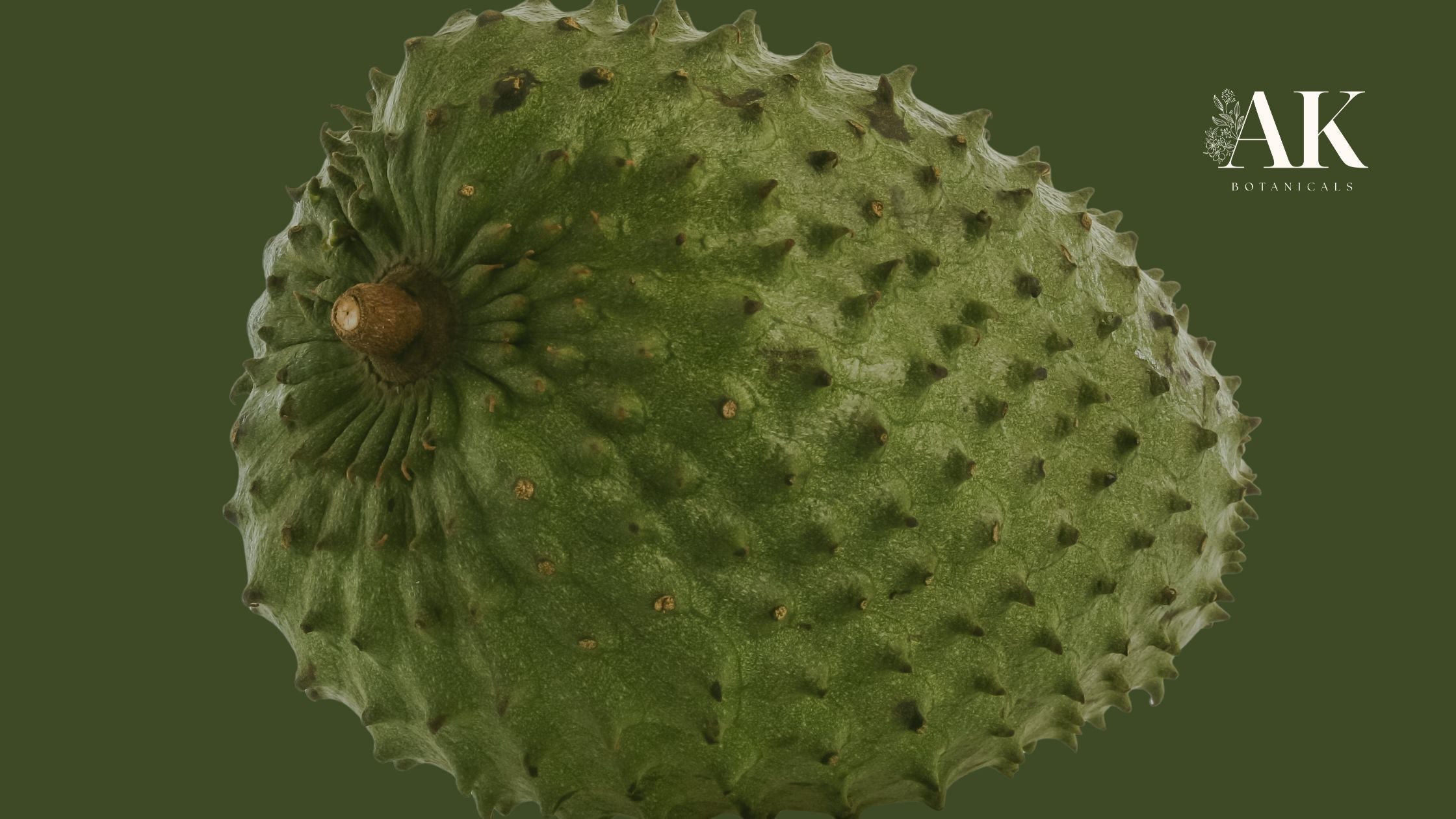
Soursop (Annona muricata) is a tropical fruit with a long history of use in traditional herbal medicine across the Caribbean, Central America, and West Africa. In skincare, soursop fruit extract and leaf compounds have drawn growing scientific interest for their antioxidant, anti-inflammatory, and skin-conditioning properties. For people managing rough, sun-damaged skin — and looking for botanical ingredients that support their skin's natural resilience — here is what the research actually says about soursop, and why it's one of the active botanicals in AKti-Clear.
What Sun Damage Does to Skin — and Where Botanical Support Fits In
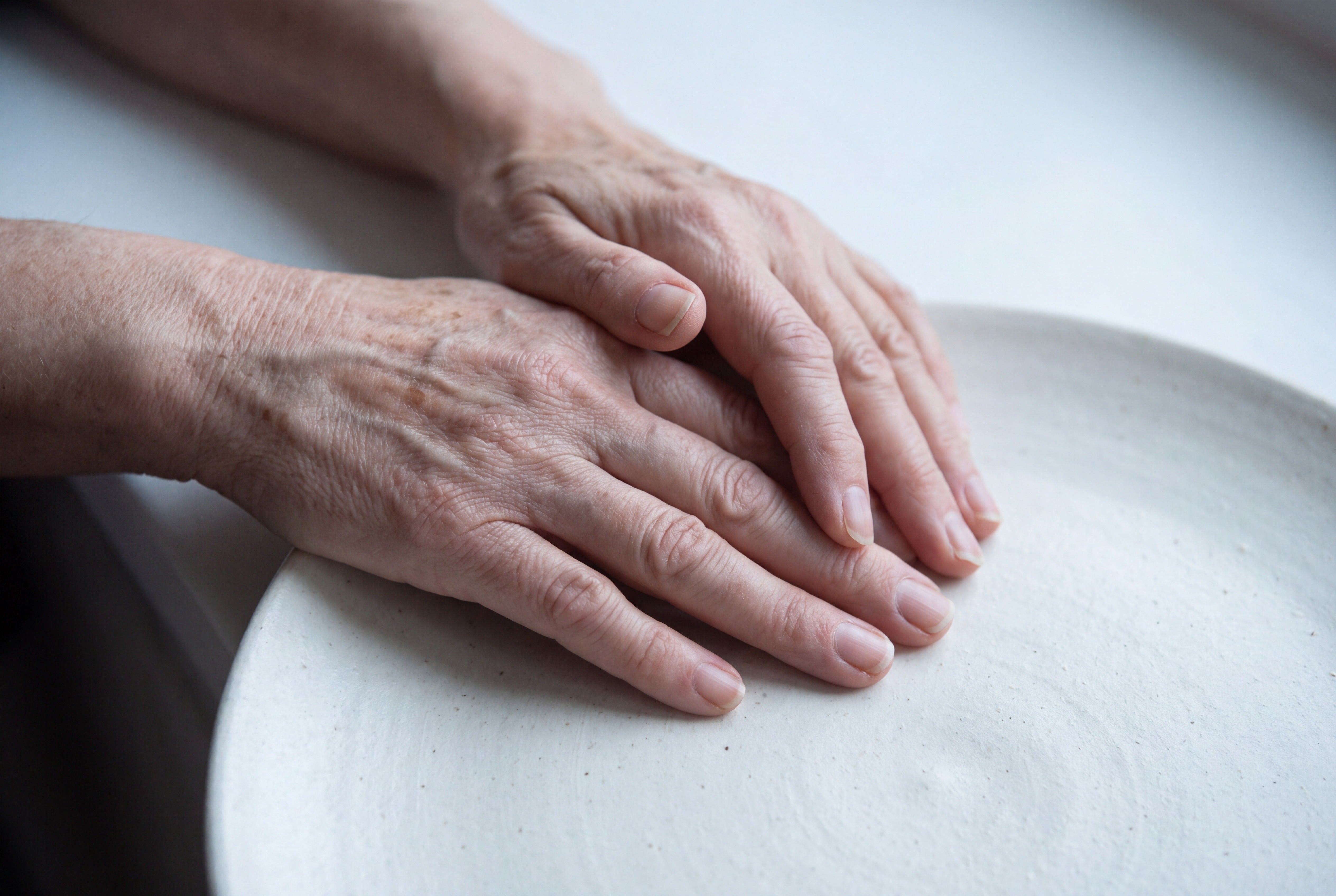
Years of UV exposure gradually wear down the skin's ability to renew itself — producing rough spots, texture changes, discoloration, and dry patches that won't resolve. In some cases, cumulative UV damage shows up as rough, scaly patches on sun-exposed areas like the face, scalp, hands, and forearms that warrant professional evaluation.
Clinical treatments like cryotherapy, prescription creams, and photodynamic therapy remain the standard of care. But many people also look for botanically-based skincare options they can incorporate at home to support their skin's daily health. That's where antioxidant-rich plants like soursop become relevant — not as replacements for professional care, but as supportive botanical ingredients with a documented scientific basis.
The Soursop Plant: What It Is and Where It Comes From
Annona muricata — commonly called soursop or graviola — is a tropical tree native to the Americas and widely cultivated in the Caribbean, Southeast Asia, and West Africa. Every part of the plant has a history of use in traditional herbal practice: the leaves have been brewed as teas, the fruit pulp used topically, and oil infusions applied for skin hydration and comfort.
Modern scientific research has begun examining these traditional uses more rigorously. Early-stage laboratory studies suggest that soursop leaf and fruit extracts contain flavonoids, acetogenins, and antioxidant compounds that may support anti-inflammatory responses and skin cell health. These findings are preliminary and lab-based — they do not establish that soursop diagnoses, treats, cures, or prevents any disease. What they do suggest is a genuine scientific basis for the interest in soursop as a botanical skincare ingredient.
Soursop's Antioxidant Properties
When skin is exposed to UV radiation, it produces free radicals — unstable molecules that damage cells and accelerate skin aging and texture changes. Antioxidants help neutralize free radicals and support the skin's natural defense against oxidative stress.
Soursop fruit and leaf are rich in antioxidants including vitamin C, gallic acid, and flavonoids. Research published in MDPI's Nutrients journal examined soursop's antioxidant profile and documented significant free-radical scavenging activity. For skin that has been repeatedly exposed to UV radiation, incorporating antioxidant-rich botanicals supports the skin's resilience over time.
Anti-Inflammatory Properties
Chronic low-grade inflammation is a key contributor to the changes sun-damaged skin undergoes over time. Soursop's acetogenin and flavonoid compounds have been examined in laboratory settings for their potential to modulate inflammatory responses. A study published in Frontiers in Pharmacology documented anti-inflammatory activity in Annona muricata extracts. While these findings are from laboratory models and not clinical trials on human skin conditions, they support the growing scientific interest in soursop as a skin-soothing botanical.
Hydration and Skin Barrier Support
Dry, rough skin and sun damage compound each other — UV exposure depletes the skin's natural moisture and weakens the skin barrier. Soursop extract oil is lightweight and rich in skin-supportive fatty acids and compounds that may help support hydration and barrier function without occluding pores. Research published on ResearchGate examined soursop in soap formulations and documented moisturizing effects on skin. For skin that feels persistently tight, rough, or compromised from sun exposure, soursop's hydrating properties make it a logical inclusion in botanical skincare formulas.

Traditional Use Across Cultures
From Jamaica to Brazil to West Africa, soursop has been part of plant-based wellness and skincare traditions for centuries. Teas brewed from the leaves have been used for calming inflammation, poultices applied for skin flare-ups, and oil infusions used for hydration. The consistency of soursop's traditional use across geographically distinct cultures — each independently arriving at similar applications — is one reason modern researchers have taken an interest in examining the compounds behind these traditional practices.
Why Soursop Is in AKti-Clear
At AK Botanicals, soursop fruit extract (Annona muricata) was selected as a key botanical in AKti-Clear® because of its antioxidant, anti-inflammatory, and skin-conditioning properties — and because it complements the primary active ingredient, Sanguinaria canadensis (Bloodroot), in supporting the appearance of rough, sun-damaged skin.
Together, these botanicals are extracted via a patent-pending concentration process and formulated into a targeted topical solution: one small drop, applied once daily for three consecutive days per spot.
AKti-Clear® is a cosmetic skincare product. It is not intended to diagnose, treat, cure, or prevent any disease. Always consult a healthcare provider regarding any persistent, suspicious, or changing skin lesions.
Research References
- Frontiers in Pharmacology — Anti-inflammatory action of Annona muricata
- ScienceDirect — Wound healing study
- NIH PubMed Central — Immune response support
- MDPI Nutrients — Antioxidant data
- ResearchGate — Moisturizing effects of soursop
For a complete overview of sun-damaged skin and rough patches, visit our Actinic Keratosis Guide. Browse all our educational resources at the AK Botanicals Resource Center. For common questions about AKti-Clear, see our FAQ page. Ready to try it? Shop AKti-Clear®.


%20is%20a%20tropical%20fruit%20with%20a%20long%20history%20of%20use%20in%20traditional%20herbal%20medicine%20across%20the%20Caribbean,%20Central%20America,%20and%20West%20Africa.%20In%20skincare,%20soursop%20fruit%20extract%20an...)