

Does Health Insurance Cover Actinic Keratosis? What You Need to Know
Healthcare coverage is rarely straightforward, especially when it comes to conditions that sit between prevention and treatment.
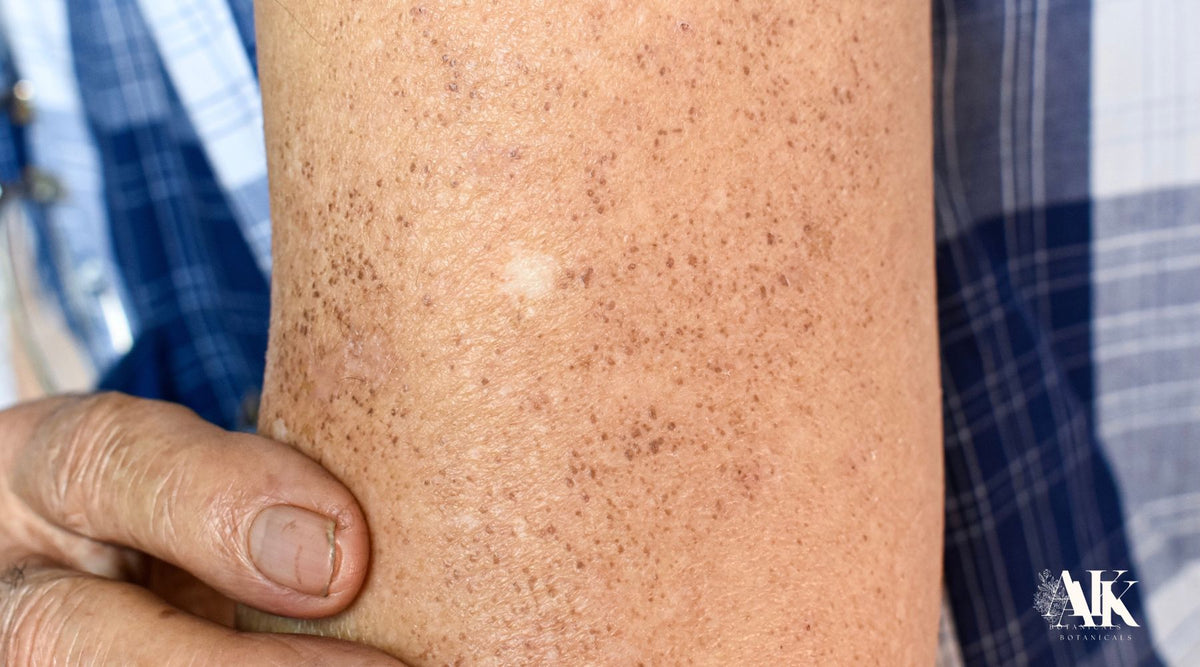
With Actinic Keratosis (AK), that complexity becomes even more visible. This skin condition, driven by long-term sun exposure and involving pre-cancerous cells, raises not just medical concerns but practical ones around cost, access, and what health insurance will actually cover.
From dermatology visits to keratosis treatment and keratosis removal, understanding what is covered and what isn’t can directly impact both your care decisions and your out-of-pocket expenses.
Will health insurance actually cover this, and how much of the expense should you expect?
Yes. In many cases, health insurance covers medically necessary treatment for actinic keratosis, including visits to a dermatologist, biopsies, cryotherapy, prescription medications, and other physician-recommended procedures. Coverage varies by insurance plan, deductibles, referrals, and medical documentation.
What that coverage looks like in practice, however, depends on how actinic keratosis is classified and how your care is approached.
Does Health Insurance Cover Actinic Keratosis Treatment?
Actinic keratosis is a skin condition caused by years of sun exposure. It creates rough spots on the skin made of abnormal or pre-cancerous cells.
If these spots are not treated, they can turn into skin cancers. Because of that risk, treatment for actinic keratosis is covered in many cases.
Most insurance companies do not see AKs (actinic keratoses) as a beauty issue. They see them as a medical problem that can lead to something more serious, like squamous cell carcinoma (SCC).
That’s why numerous insurance plans cover:
-
Visits to check your skin
-
A referral to a dermatologist (skin specialist)
-
Biopsies to test suspicious spots
-
In-office procedures like freezing (cryotherapy), minor surgery, or other treatment methods
-
Prescription treatments
Why You May Need a Referral First
In many cases, you don’t go straight to a dermatologist. You may first visit a general doctor (primary care provider). If they see something concerning on your skin, they will send you to a dermatologist.
This step is called a referral. For many insurance plans, this is important because:
-
The referral shows the condition is medically necessary
-
It helps get approval before treatment
-
Without it, your insurance may not cover the visit or procedure
So even though treatment is covered, you often need to follow the right steps first.
National Coverage vs Local Coverage: What Impacts What Is Covered
Insurance rules are not always the same for everyone. There are general national coverage rules, but what actually gets approved can depend on local coverage and your specific plan.
These medical policies decide:
-
Which treatment methods are approved
-
How often you can get treatment
-
What you are eligible for
Some treatments are only approved if a patient is only eligible based on medical records and doctor notes.
Does Health Insurance Cover Actinic Keratosis Treatment?
Even if something is covered, it may not be free.
You may still have some expense, such as:
-
Copays (a small fee for visits)
-
Deductibles (what you pay before insurance starts paying)
-
Partial payments depending on your plan
Most insurances will cover medically necessary care, but they may only cover part. That’s why people often say your health insurance may cover part, but not always everything.
When Keratosis Removal and Treatment Are Not Covered
Not all care is treated the same by insurance. Coverage may be denied if the treatment is not considered medically necessary.
For example:
-
If it is seen as cosmetic
-
If it does not follow standard medical guidelines
-
If proper documentation is missing
Some patients may need more advanced care, including:
-
Repeated procedures
-
More involved surgery
-
Rare cases requiring an inpatient procedure
When treatment is considered elective instead of medical, it is less likely to be covered.
At-Home Skin Options That Are Not Covered by Health Insurance
For many patients, dealing with actinic keratoses is not something that happens once and goes away. It often comes back.
New spots can appear over time, especially in areas of the skin that have had years of sun exposure. This means care becomes ongoing, not one single visit. Because of that, the medical process can start to feel exhausting.
Many patients go through:
-
Multiple dermatology visits
-
Repeated treatments like freezing or topical therapies
-
Follow-up appointments to check the skin again
-
New lesions showing up after previous ones were treated
Even when actinic keratosis treatment is covered, the process can take time, require multiple steps, and involve ongoing cost and effort. This is where some people begin looking for ways to support their skin at home.
Why Some Patients Look for At-Home Options
At-home options are often considered because:
-
Appointments can be hard to schedule
-
Treatments may need to be repeated
-
Recovery from procedures can take time
-
The condition can keep coming back
Instead of replacing medical care, these options are usually seen as something that fits more easily into daily life.
What At-Home Options Are (and Are Not)
Products such as AKti-Clear™ are topical skincare products formulated for sun-damaged skin. They are cosmetic skincare products and are not FDA-approved drugs for the treatment of actinic keratosis.
But it’s important to be clear:
-
It is not classified as a medical treatment
-
It is not covered by health insurance
-
It is intended for cosmetic skin care and should not replace evaluation or treatment by a healthcare professional.
This means that even though most insurance companies focus on in-office procedures, at-home options are not reimbursed.
Research on Botanical Ingredients
Some botanical ingredients found in skincare products have been investigated in laboratory research to better understand their biological activity.
For example, researchers have studied compounds derived from Annona muricata (soursop) and Sanguinaria canadensis (bloodroot) in laboratory models. These studies have explored cellular responses under controlled conditions, including antioxidant activity and interactions with cultured cells.
It is important to note that laboratory research does not demonstrate that a skincare product is effective for preventing, treating, or curing actinic keratosis or any other medical condition. Human clinical studies are needed to determine whether these findings translate into meaningful clinical outcomes.
Additional research sources:
These findings are early-stage and not based on human clinical outcomes.
A More Realistic Way to Look at It
For many patients, this becomes less about choosing one path and more about managing a condition over time. Medical care focuses on diagnosis, monitoring, and procedures.
At-home skincare focuses on supporting the skin between visits. Because actinic keratoses can recur, people often look for ways to make the process feel more manageable, not just medically, but in everyday life.
Skin Care and Medical Care: Understanding How They Work Together
There is often a misconception that patients must choose between medical care and skincare. In reality, many people use both.
A dermatologist may recommend treatment methods such as:
-
Cryotherapy
-
Topical prescriptions
-
Photodynamic therapy, where light activates a treatment agent
In many cases, photodynamic therapy (PDT is covered by insurance when medically necessary.
Source:
At the same time, patients may support their skin at home.
What Determines If Actinic Keratosis Treatment Is Covered
Coverage comes down to classification and documentation.
If your dermatologist determines that:
-
The lesion involves pre-cancerous cells
-
There is risk of progression
-
Treatment is necessary
Then treatment is more likely to be approved. Most insurance companies rely heavily on documentation when determining eligibility.
Does Medicare Cover Actinic Keratosis Treatment?
For those on Medicare, there are additional considerations. Medicare coverage generally includes medically necessary treatment for actinic keratosis.
In many cases:
-
Medicare will cover dermatology visits and procedures
-
Certain therapies, including photodynamic therapy, may be included
-
Coverage depends on meeting specific criteria
Sources:
Cost, Coverage, and Skin Health
Actinic keratosis and actinic keratoses more broadly are part of a larger conversation around skin health and long-term sun exposure. Most insurance plans recognize the risks associated with AKs and provide coverage for medically necessary care. At the same time, not every option is included.
Health insurers , and actinic keratoses more broadly, are part of a larger conversation aboutgenerally cover medically necessary care. Because actinic keratosis is considered a precancerous skin lesion that may progress to squamous cell carcinoma if left untreated, evaluation and treatment are often considered medically necessary rather than cosmetic. Your dermatologist's documentation plays an important role in determining coverage.
Understanding how coverage works, what influences cost, and how different treatment methods fit into your care allows you to make informed decisions. Because when it comes to your skin, clarity matters just as much as care.
| Service | Usually Covered? |
|---|---|
| Dermatologist visit | Often |
| Biopsy | Often |
| Cryotherapy | Often |
| Prescription creams | Often |
| Photodynamic therapy | May be covered |
| Cosmetic removal | Usually not |
| OTC skincare products | No |
Frequently Asked Questions
Is actinic keratosis considered medically necessary?
In many cases, yes. Because actinic keratosis (AK) is considered a precancerous skin lesion that has the potential to progress to squamous cell carcinoma, evaluation and treatment are often considered medically necessary rather than cosmetic. Your dermatologist will determine the appropriate course of care based on your individual condition and document the medical necessity for your insurance provider.
Does Medicare pay for cryotherapy?
Medicare generally covers cryotherapy for actinic keratosis when it is considered medically necessary and performed by a qualified healthcare provider. As with other covered services, you may still be responsible for deductibles, coinsurance, or copayments depending on your Medicare plan. Coverage requirements can vary, so it's a good idea to review your specific benefits before treatment.
Is skin lesion removal covered by insurance?
It depends on why the lesion is being removed. If a dermatologist determines that a lesion is suspicious, precancerous, or medically necessary to remove, many health insurance plans provide coverage. Procedures performed solely for cosmetic reasons are generally not covered. Your healthcare provider's documentation plays an important role in determining eligibility.
Does insurance cover dermatologist visits?
Many health insurance plans cover visits to a dermatologist when they are medically necessary, including evaluations of suspicious or persistent skin lesions. Depending on your insurance plan, you may need a referral from your primary care provider before seeing a specialist. Copayments, deductibles, and network requirements may also apply.
Can insurance deny actinic keratosis treatment?
Yes. Insurance coverage depends on your individual plan and whether the treatment meets the insurer's medical necessity requirements. Coverage may be denied if the treatment is considered cosmetic, if required referrals or prior authorization were not obtained, or if there is insufficient medical documentation. If coverage is denied, your dermatologist may be able to provide additional documentation or discuss alternative treatment options.
Are at-home skincare products covered by insurance?
In most cases, no. Health insurance typically covers medically necessary healthcare services and certain prescription medications but does not reimburse over-the-counter skincare products. Cosmetic skincare products, including products formulated for sun-damaged skin, are generally purchased out of pocket. These products are not intended to replace evaluation or treatment by a dermatologist.
Does health insurance cover prescription creams for actinic keratosis?
Many insurance plans cover prescription medications used to treat actinic keratosis when they are prescribed by a healthcare provider and considered medically necessary. Coverage varies by plan and may require prior authorization, step therapy, or a copayment. Check your prescription drug benefits for details about your specific coverage.
How much does actinic keratosis treatment cost without insurance?
The cost depends on the type of treatment, the number of lesions, your location, and your healthcare provider. An office visit, biopsy, cryotherapy, topical prescription medications, or photodynamic therapy all have different costs. If you do not have insurance, ask your dermatologist's office for an estimate before treatment and discuss available payment options if needed.
Can actinic keratosis come back after treatment?
Yes. Even after successful treatment, new actinic keratoses can develop because the underlying sun damage remains. Dermatologists often recommend regular skin examinations, daily sun protection, and ongoing monitoring to detect new lesions early. If you notice a new rough or scaly patch that doesn't heal, schedule an evaluation with your healthcare provider.
Most health insurance plans and Medicare cover medically necessary evaluation and treatment for actinic keratosis, but coverage varies by plan, referrals, deductibles, and documentation. Cosmetic procedures and over-the-counter skincare products are generally not covered. If you notice a persistent rough or scaly patch that does not heal, schedule an evaluation with a dermatologist to determine the most appropriate next steps.
Sources
For a complete overview of sun-damaged skin and rough patches, visit our Actinic Keratosis Guide. Browse all our educational resources at the AK Botanicals Resource Center.


,%20that%20complexity%20becomes%20even%20more%20visib...)