
Is Actinic Keratosis More Common in Men or Women? What the Numbers Say
Is Actinic Keratosis More Common in Men or Women? What the Numbers Say
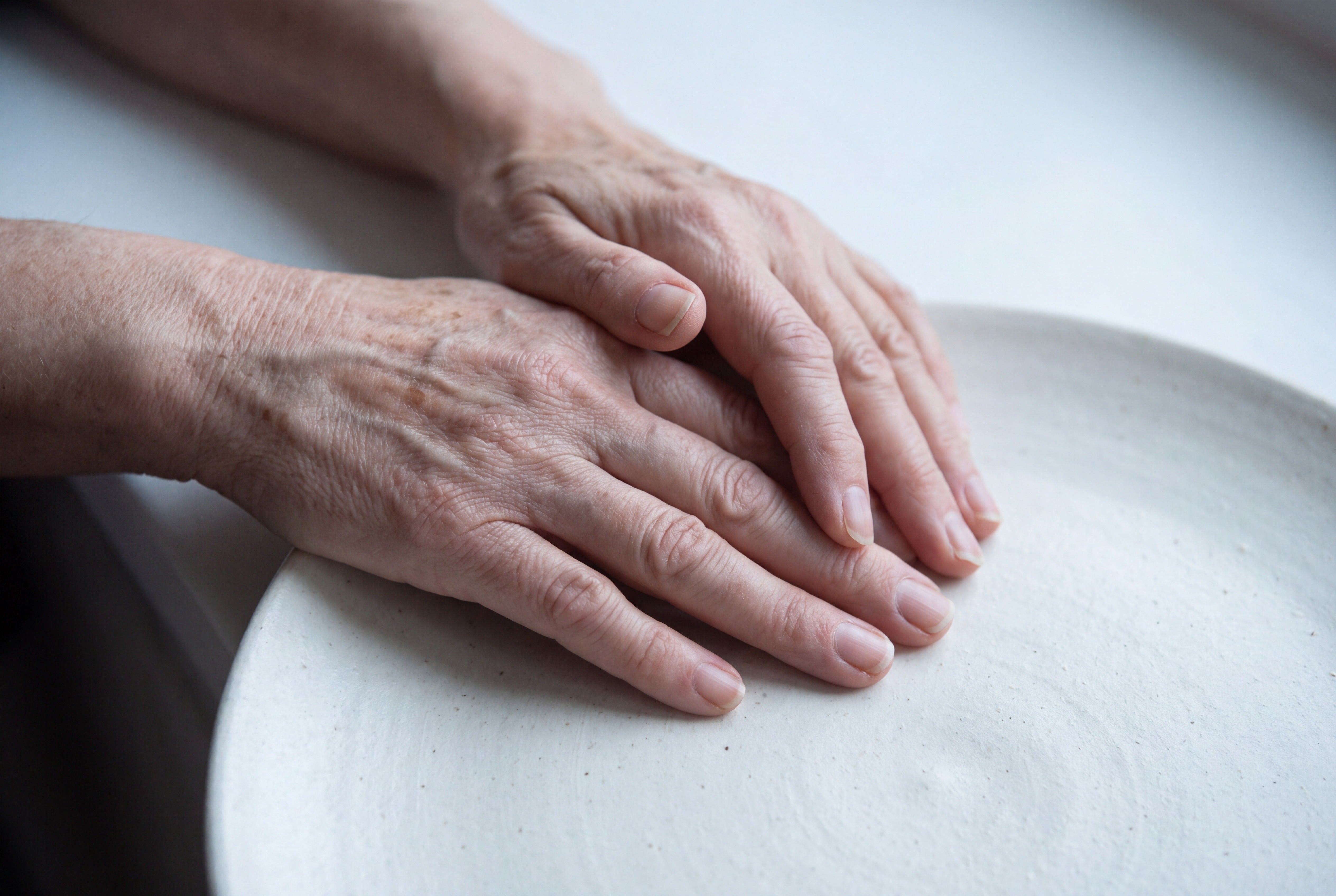
There is a moment most people overlook. A dry patch on the skin. A subtle shift in texture. Something that feels different when your fingers pause for a second longer than usual.
That is often how Actinic Keratosis begins. Quietly. Gradually. Built over years of sun exposure. And when the question comes up, who does this affect more, the answer is not just about men compared to women. It is about how the skin records time, sun, and care.
Actinic Keratosis Prevalence: Men Compared to Women
From a clinical perspective, actinic keratosis is more common in men compared to women. It is slightly more common, but that distinction reflects long term exposure rather than biology alone.
Across dermatology research, actinic keratoses are seen more often in male patients, and AKs were more common in men than women in multiple population studies. These patterns are consistent across regions with high UV exposure.
Prevalence rates increase with age, especially in patients aged 50 and older, where cumulative damage becomes more visible on the skin. This is where the gap between male patients and female patients becomes more pronounced.
Clinical resources such as DermNet and the American Academy of Dermatology highlight that actinic keratosis prevalence is driven by cumulative sun exposure, not isolated events.
So while it is accurate to say it’s slightly more common in men, the underlying cause is far more layered.
Keratosis Epidemiology and What Drives Higher Prevalence
To understand why actinic keratosis is higher in certain groups, it helps to look at keratosis epidemiology more closely.
At its core, AK reflects repeated UV exposure over time. It is one of the most common precancerous conditions affecting the skin, especially in populations with fair skin type and long term sun exposure.
Several key risk factors shape prevalence:
-
Fair skin type with lower natural protection
-
Increasing age
-
Occupational or lifestyle exposure outdoors
When these factors overlap, the likelihood of developing actinic keratosis increases significantly.
This is why AK is often described not as an isolated condition, but as a visible marker of cumulative damage within the skin.
Why Actinic Keratosis Is More Common in Men
When you move beyond statistics, the pattern becomes more human.
Solar exposure builds over time
Actinic keratosis develops through repeated solar exposure. Not from one moment, but from years of sunlight reaching the same areas of the skin.
Men have historically had higher levels of outdoor exposure. Work environments, recreational habits, and daily routines often placed them in direct sunlight without consistent protection.
This long term exposure is why AK also tends to appear in areas that receive the most sun:
-
Scalp
-
Face
-
Ears
-
Forearms
Over time, these areas accumulate damage, and the skin begins to respond.
Skin protection shapes long term outcomes
Protection is not a single decision. It is a habit repeated daily.
Men are less likely to use sunscreen consistently or incorporate protective skincare into their lives. Women often apply SPF through moisturizers or cosmetics, even without actively thinking about sun protection.
Over decades, this difference becomes visible in the skin. It also contributes to why actinic keratosis is higher in men.
Hair loss increases exposure
Hair coverage plays a quiet but important role. As hair thins, the scalp becomes directly exposed to UV radiation. This exposure happens daily and accumulates over time.
This is why the scalp is one of the most common areas for actinic keratosis in male patients.
Detection influences prevalence
There is another layer to prevalence rates that is often overlooked.
-
Male patients tend to delay dermatology visits
-
Female patients are more likely to notice early changes in the skin
This difference in awareness affects how early lesions are identified and treated. It also contributes to why AK may appear more advanced in men at the time of diagnosis.
Actinic Keratosis and the Risk of Skin Cancer
Actinic keratosis is widely recognized as a precancerous condition. It exists within the early stages of skin cancer development, with the potential to progress into Squamous Cell Carcinoma, a common form of squamous cell cancer.
The Skin Cancer Foundation explains that untreated lesions may evolve into squamous cell carcinoma over time.
Not every lesion becomes cancer. However, the presence of actinic keratosis signals that the skin has experienced significant UV damage.
The risk increases when:
-
Multiple lesions are present
-
Exposure continues without protection
-
Lesions are left untreated
This is why monitoring and appropriate treatment are often recommended.
Women, Changing Patterns, and Increasing Prevalence
Although actinic keratosis is more common in men compared to women, the difference is evolving.
Lifestyle changes have increased sun exposure across both groups. Outdoor activity, travel, and historical tanning practices have contributed to rising rates in female patients.
As populations age, cumulative exposure increases, and so does the likelihood of developing AK.
This is why actinic keratosis is becoming more widely seen across both men and women, even if it remains slightly more common in men.
Age, Skin Type, and Long Term Risk
Age is one of the strongest predictors of actinic keratosis.
According to dermatology research, AK is most common in:
-
Patients aged 40 and older
-
Those with fair skin type
-
Individuals with a history of chronic sun exposure
As the skin ages, its ability to repair UV damage decreases. Over time, this leads to visible changes, including actinic lesions.
This reinforces that AK is not sudden. It is the result of years of exposure gradually reaching a threshold.
Where Actinic Keratosis Appears on the Skin
Actinic keratosis typically develops in areas of the skin that receive the most sunlight.
-
Face
-
Ears
-
Scalp
-
Neck
-
Hands
-
Forearms
In men, the scalp and ears are particularly affected. In women, lesions are more commonly found on the face and chest.
These patterns reflect differences in exposure and protection over time.
Treatment Options for Actinic Keratosis
Because of its connection to skin cancer, treatment is often recommended once actinic keratosis is identified.
Dermatologists typically guide this process based on the number of lesions, their location on the skin, and overall risk factors.
Common medical treatment options include:
-
Cryotherapy, which freezes and removes lesions
-
Topical prescription therapies that target damaged skin cells
-
Photodynamic therapy using light activation
-
Laser-based approaches
The goal of treatment is to remove visible lesions and reduce the risk of progression to cancer, particularly squamous cell skin cancer.
The British Association of Dermatologists emphasizes that early treatment plays an important role in protecting long term skin health.
Supporting Skin During and After Treatment
Alongside clinical treatment, how the skin is cared for daily also matters.
Skin affected by actinic damage often becomes more sensitive, more reactive, and more vulnerable to environmental stress. Supporting the skin during this time is not about replacing medical care. It is about creating conditions that help the skin remain balanced.
This is where supportive topical care can play a role.
Products like AKti-Clear® are designed to support skin affected by visible sun damage through a concentrated botanical formulation. Rather than acting as a medical treatment, it is positioned as part of a broader skincare approach focused on maintaining skin health.
Research into ingredients such as Annona muricata and bloodroot has explored antioxidant activity and cellular interactions in controlled laboratory settings . These findings are early and not a substitute for clinical treatment, but they contribute to a growing understanding of how botanical compounds may interact with compromised skin.
AKti-Clear® is a dermatological skincare product formulated to support sun damaged skin. It is not intended to diagnose, treat, cure, or prevent any disease, and individuals should consult a dermatologist for evaluation and treatment of actinic keratosis.
Supporting Skin with At-Home Botanical Care
Alongside clinical treatment, many people also look for ways to care for their skin at home, especially when dealing with visible sun damage.
This is where alternative approaches begin to enter the conversation. Some prefer an option that feels more accessible. Something that does not require a prescription, can be applied at home, and fits into a consistent care. Products like AKti-Clear® sit within that space.
Rather than being positioned as a medical treatment, AKti-Clear® is a concentrated botanical skincare option designed for skin that has been affected by sun exposure and visible damage. It is often chosen by those looking for a more natural, at-home approach to supporting their skin.
The formulation draws from botanical ingredients such as Annona muricata and bloodroot, which have been explored in laboratory research for their antioxidant activity and interactions with skin cells . While this research is still developing, it contributes to a broader understanding of how certain plant-based compounds may support compromised skin.
AKti-Clear® does not require a prescription and can be applied directly at home, making it a more accessible option for ongoing skin care. It has been used by many people when managing areas of Actinic Keratosis concern on the skin.
Some users report visible skin responses after application, which may resemble the surface-level reactions seen with certain dermatological procedures. This is part of how the skin can respond to concentrated topical applications, particularly on areas of existing damage.
At the same time, cost and accessibility are part of the decision for many. Compared to in-office procedures, at-home options can offer a more affordable way to stay consistent with skin care over time. That said, this does not replace professional care.
Actinic keratosis is a condition that should be evaluated by a dermatologist, especially because of its connection to skin cancer. A medical professional can provide diagnosis, monitor changes, and guide appropriate treatment when needed.
AKti-Clear® is a dermatological skincare product formulated to support overall skin health. It is not intended to diagnose, treat, cure, or prevent any disease. It is best viewed as part of a broader approach to caring for skin that has experienced long-term sun exposure.
Prevention and Reducing Risk Over Time
While treatment is important, prevention remains essential.
Reducing risk involves daily habits that protect the skin from further damage:
-
Consistent sunscreen use
-
Protective clothing
-
Avoiding peak sun exposure
-
Regular skin checks
Over time, these habits influence how the skin responds to environmental stress.
Yes, actinic keratosis is more common in men compared to women. It is slightly more common, and prevalence rates reflect that.
But the deeper story is not about gender. It is about exposure. It is about habit. It is about time.
The skin reflects everything it has experienced. Slowly. Quietly. Until it becomes visible. And when it does, that moment is not the beginning. It is simply the point where you finally see what has been building all along.