
Photodynamic Therapy for Skin Cancer: Harnessing the Power of Light
Skin cancer is one of the most commonly diagnosed cancers worldwide, affecting millions of people each year. As public awareness grows around sun exposure, ultraviolet damage, and early detection, interest has increased in treatment options that are both clinically effective and less invasive than traditional surgical approaches. Among these options, photodynamic therapy —often referred to clinically as pdt treatment—has emerged as a distinctive form of light treatment that relies on controlled chemical reactions rather than physical removal of tissue.
Unlike procedures that involve cutting or freezing, photodynamic therapy uses light-activated compounds to selectively damage abnormal skin cells. This approach has been studied for decades and continues to evolve as research explores new photosensitizers, improved protocols, and broader dermatological applications. Today, this treatment is most commonly associated with actinic keratosis and select early-stage skin cancers, particularly those linked to cumulative sun damage.
This article provides clear, educational information about how photodynamic therapy works, what patients typically experience, and where it fits within the broader landscape of dermatological treatment options. The goal is not to promote or discourage any specific intervention, but to help readers understand how light-based approaches are used in modern skin care and cancer management.
Understanding Photodynamic Therapy as a Targeted Cancer Treatment
At its core, photodynamic therapy is a structured, multi-step treatment process. It begins with the application of a photosensitizing agent—one of several compounds approved for dermatological use. These agents are absorbed preferentially by abnormal or rapidly dividing cells, including certain cancer cells and precancerous cells affected by long-term UV exposure.
This treatment uses special medicines that remain inactive until exposed to light. After an incubation period—often measured in hours—the treated area is exposed to a specific wavelength of light. This exposure activates the compound, triggering a localized chemical reaction.
From a biochemical standpoint, this reaction generates reactive oxygen species that damage targeted cells from within. The process is highly localized, meaning surrounding healthy tissue is largely spared. This selectivity is one of the reasons photodynamic treatment is considered tissue-preserving and is often performed in a clinic rather than a surgical environment.
Because the mechanism relies on light and oxygen rather than heat or excision, the risk of permanent scars is generally lower than with some surgical procedures. Still, outcomes depend on lesion size, depth, location, and individual skin response.
Why Light-Based Therapy Targets Abnormal Cancer Cells
To understand why photodynamic therapy works, it helps to consider how sun damage affects skin at the cellular level. Chronic UV exposure causes cumulative DNA damage over time. When repair mechanisms fail, abnormal cancer cells may develop and persist beneath the surface.
These damaged cells tend to absorb photosensitizers more efficiently than healthy cells. Once activated by light, the compound initiates a reaction that compromises cellular structures, including membranes and mitochondria. This ultimately leads to cell death and gradual clearance by the body’s natural healing processes.
This interaction between light, oxygen, and medication is why photodynamic therapy is often described as a biologically targeted treatment rather than a purely mechanical one. It is also why the process differs fundamentally from laser therapy, which relies on heat and focused energy rather than chemical activation.
Some dermatologists note that the controlled nature of this treatment allows it to be used on cosmetically sensitive areas such as the face or scalp, where preserving skin texture is a priority. While the skin may temporarily appear red or inflamed, the long-term risk of visible damage or resurfacing irregularities is typically low when protocols are followed correctly. Image: The Skincare Network
Conditions This Treatment May Be Used For
In clinical practice, photodynamic therapy is most commonly recommended for specific, well-defined conditions. These include:
-
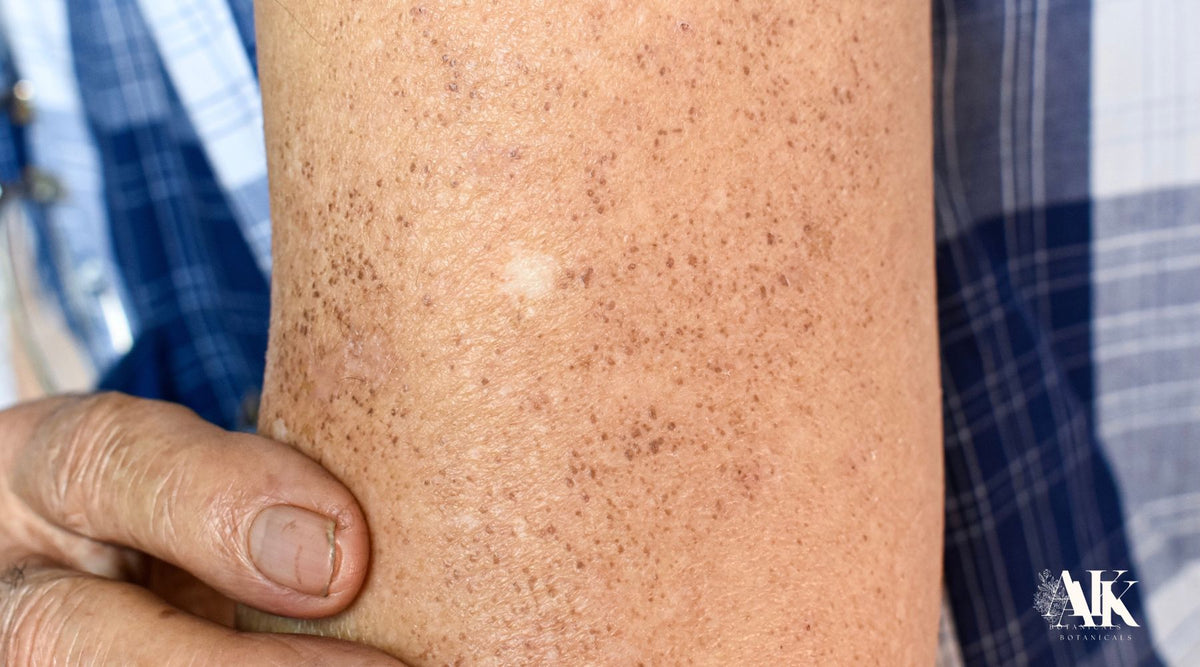
Actinic keratosis, which represents sun-damaged skin with the potential to progress
-
Superficial basal cell carcinoma in certain types of presentations
-
Bowen’s disease, a form of squamous cell carcinoma in situ
In these cases, the goal of treatment is to destroy abnormal cells before deeper invasion occurs. Dermatologists may use this approach to treat pre-cancerous spots across larger areas of sun-exposed skin, particularly when multiple lesions are present.
It is important to clarify that photodynamic therapy is not used for melanoma skin cancer. Melanoma behaves differently at a biological level and requires alternative medical management. Distinguishing between non-melanoma skin cancers and melanoma is a critical diagnostic step that must always be handled by a qualified provider.
The Role of Research in Photodynamic Therapy
Ongoing research plays a central role in how photodynamic therapy continues to develop. Over the years, studies have examined variables such as incubation time, light intensity, wavelength selection, and photosensitizer formulation. This growing body of research helps refine safety guidelines and optimize outcomes.
Both laboratory and clinical dermatology research have examined how different approaches interact with skin types, treatment areas, and lesion characteristics. Beyond clinical outcomes, studies frequently look at patient comfort, cosmetic appearance, and the likelihood of recurrence.
Supported by: Randomized Trial of Four Treatment Approaches for Actinic Keratosis
Importantly, research findings are used to inform clinical decision-making, not replace it. Individual response to treatment can vary, and what works well for one patient may not be appropriate for another. This variability reinforces the need for professional evaluation rather than self-directed care.
The PDT Treatment Experience: What to Expect
For most patients, the treatment experience follows a predictable sequence. Before the session begins, the provider prepares the skin by cleansing the area and, if necessary, removing surface debris. This step helps ensure even absorption of the photosensitizer.
Next, the medication is applied and left in place during the incubation period. During this time, patients are often advised to avoid direct light exposure. The length of incubation varies depending on the treatment protocol and the condition being addressed.
When the incubation period ends, the provider exposes the area to light. This phase of the photodynamic treatment may last several minutes. Patients often report sensations such as warmth, tingling, or mild burning. These sensations typically subside once the light exposure ends.
Afterward, the skin may appear red or swollen, similar to a sunburn. This reaction is expected and reflects the body’s response to cellular damage. Over the following days, the skin gradually heals as damaged cells are shed.
Strict sun avoidance is essential during recovery. Because the photosensitizer remains active for a period of time, even incidental light exposure can intensify reactions. Providers give detailed post-care information to minimize complications.
Benefits and Limitations of This Treatment Approach
Like all medical treatment options, photodynamic therapy has both advantages and limitations. Among its benefits:
-
Non-surgical approach
-
Ability to address multiple lesions simultaneously
-
Reduced likelihood of permanent scars
-
Preservation of surrounding healthy tissue
-
Suitability for visible, sun-exposed areas
These features make the treatment appealing for patients seeking alternatives to excision or freezing, particularly when cosmetic considerations matter.
However, limitations must also be considered. Some patients require more than one session. Temporary discomfort and sensitivity are common. Additionally, the treatment is not appropriate for all skin cancers or for individuals with certain medical conditions.
For these reasons, dermatologists carefully evaluate each case. The decision to proceed with photodynamic therapy is based on diagnosis, lesion characteristics, patient history, and current clinical research.
Where This Treatment Fits Into Sun-Damaged Skin Care
Photodynamic therapy represents one option within a broader framework of dermatological treatment strategies. Other approaches may include topical medications, cryotherapy, surgical excision, or observation, depending on severity and risk.
In some care plans, providers combine medical interventions with supportive skincare aimed at maintaining overall health, recognizing that long-term sun exposure affects more than just visible lesions. While botanical ingredients have been examined in laboratory research for antioxidant or cytotoxic activity, such findings remain preliminary.
These supportive measures are not substitutes for medical treatment, but they may play a role in overall skin maintenance. Clear communication between patient and provider ensures that expectations remain realistic and grounded in evidence-based information.
Who Should Discuss This Treatment With a Provider
Individuals with extensive sun exposure, multiple actinic keratoses, or early-stage non-melanoma skin cancers may be candidates for this treatment, pending professional evaluation.
Because skin cancer can present differently across individuals, provider involvement is essential. Any new, changing, or persistent lesion should be assessed by a qualified professional before considering photodynamic therapy or any other treatment.
The Future of Light-Based Dermatology
As technology advances, photodynamic therapy continues to evolve. Ongoing research explores improved photosensitizers, shorter incubation periods, daylight-based protocols, and enhanced patient comfort. These developments reflect a broader trend toward precision-based dermatological care.
What remains constant is the principle that light, when used under medical supervision, can be a powerful tool. With continued research, this treatment may further refine its role in managing sun-damaged skin while minimizing unnecessary tissue disruption.
This article is provided for educational information only. It does not offer medical advice or claims related to diagnosis, treatment, cure, or prevention of disease.
AKti-Clear® is formulated to support general skin health and is not a medical treatment. Findings discussed from laboratory research are preliminary and should not replace professional medical guidance. For concerns involving skin cancer, precancerous lesions, or changes in the skin, consult a licensed dermatologist.