
The shifting nature of sun-damaged skin and actinic cancer risk factors
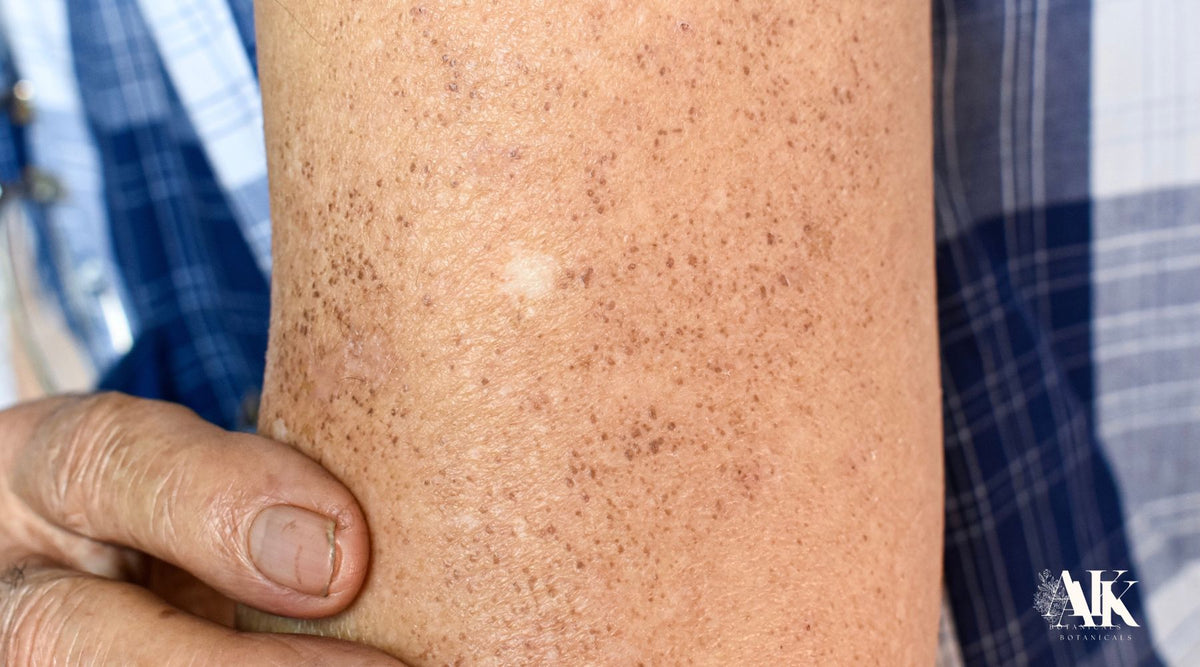
Skin doesn’t behave in straight lines. It responds to seasons, stress, immune shifts, and years of environmental exposure. Some mornings it feels smooth and settled. Other days, a familiar rough patch returns, reminding you of time spent outdoors, long summers, or work under open skies.
For people living with actinic keratosis, this back-and-forth can be unsettling. A patch on the temple softens. Weeks later, it resurfaces. Under certain light it nearly disappears, raising questions about healing, recurrence, and long-term risk.
What’s often misunderstood is that actinic keratosis doesn’t exist only on the surface. It reflects deeper biological changes tied to cumulative sunlight, ultraviolet (UV) radiation, and how the skin’s repair systems respond to years of exposure.
Understanding this rhythm is essential—not just for comfort or appearance, but for managing future cancer and skin cancer concerns with clarity rather than fear.
When sun-damaged skin appears to improve—then returns
Skin renews itself continuously. Every four to six weeks, the outer layer sheds and replaces itself. During this cycle, rough or scaly areas may temporarily smooth out, giving the impression that damage has been resolved.
But below the surface, altered skin cells may still remain. These cells have often experienced DNA damage from repeated UV exposure. When that damage isn’t fully corrected, the affected skin cell population can persist quietly until conditions allow it to resurface.
This is why dermatologists often describe actinic keratosis as part of a broader field of sun damage rather than a single, isolated spot. Even when one area calms, the surrounding sun-damaged skin may still carry invisible changes that influence future cancer risk.
Sun exposure, skin aging, and cumulative damage
The relationship between sunlight and skin health is complex. Short-term exposure may feel harmless, but over time, repeated UV contact contributes to skin aging, visible wrinkles, and internal stress on repair enzymes.
This is not just cosmetic. Chronic exposure can damage skin at a cellular level, weakening the systems responsible for keeping cell growth orderly. As these defenses erode, the overall risk of abnormal growth increases—particularly in areas like the facial region, scalp, forearms, and hands.
This cumulative process explains why actinic keratosis often appears later in life, even though the exposure that caused it may have started decades earlier.
Actinic keratosis, carcinoma pathways, and skin cancer awareness
Actinic keratosis occupies an important middle ground between visible sun damage and potential skin cancer development. While not every lesion progresses, actinic changes are biologically linked to pathways associated with keratosis actinic progression and non-melanoma cancer.
In some cases, these lesions may evolve toward squamous cell changes and, if left unmanaged, progress to squamous cell carcinoma, a common form of carcinoma associated with long-term UV exposure. This does not mean progression is inevitable—but it does explain why monitoring matters.
The goal is not alarm, but awareness. Early attention helps reduce carcinoma risk and supports healthier long-term outcomes.
The role of immunity, stress, and internal balance
The immune system plays a quiet but powerful role in how actinic keratosis behaves. When immune function is strong, some lesions may regress naturally. During periods of illness, fatigue, emotional stress, or aging, that balance can shift.
This fluctuation helps explain why actinic keratosis can feel cyclical. The same area that looked calm months ago may show scaling again after stress or prolonged sun exposure.
These patterns don’t signal failure—they reflect biology in motion.
Protection, treatment, and botanical support
Managing actinic keratosis is rarely about a single treatment. It’s about long-term care, professional guidance, and consistency.
Dermatologists may recommend in-office procedures or prescription therapies depending on lesion behavior. Alongside medical care, daily habits matter. Consistent sunscreen use—ideally paired with other photoprotection methods like hats and shade—helps limit additional UV stress on already vulnerable skin.
Botanically inspired skincare can play a supportive role as well. Thoughtfully formulated products may help maintain comfort, support the skin barrier, and reduce irritation during care routines—without claiming to replace medical evaluation.
Aging skin, long-term risk, and realistic expectations
As skin naturally changes with aging, its ability to repair past damage becomes less efficient. This doesn’t mean progression is guaranteed—but it does mean that awareness and consistency become more important over time.
Actinic keratosis reflects a long history written into the skin. Addressing it thoughtfully means respecting that history, not fighting it aggressively or ignoring it altogether.
When to seek medical guidance
Certain changes should always prompt professional evaluation. Lesions that bleed, thicken, darken, or become painful deserve timely attention. These signs don’t automatically indicate skin cancer, but they do warrant expert review to rule out progression toward cancer or carcinoma.
Regular dermatology visits remain one of the most effective ways to manage long-term risk while maintaining peace of mind.
A steady, informed approach
Actinic keratosis is not a sudden event. It’s part of a longer conversation between skin, environment, and time. With thoughtful care, professional support, and respect for the skin’s natural rhythms, it’s possible to manage changes calmly—without panic, and without neglect.
AKti-Clear™ is a dermatological skincare product formulated to support overall affected skin health. It is not intended to diagnose, treat, cure, or prevent disease. Professional medical guidance is always recommended for actinic keratosis and skin cancer concerns.