
Actinic Keratosis vs. Eczema: Decoding Your Skin's Signals
Maintaining healthy skin requires careful attention to a variety of conditions that can cause discomfort or more serious complications. Two skin issues that often cause confusion are Actinic Keratosis (AK) and Eczema. They might seem similar at first glance, but they have distinct causes, symptoms, and treatment approaches. This guide will help you understand the difference between Actinic Keratosis and Eczema, their symptoms, and how you can approach both conditions effectively.
What is Actinic Keratosis and is it Skin Cancer?
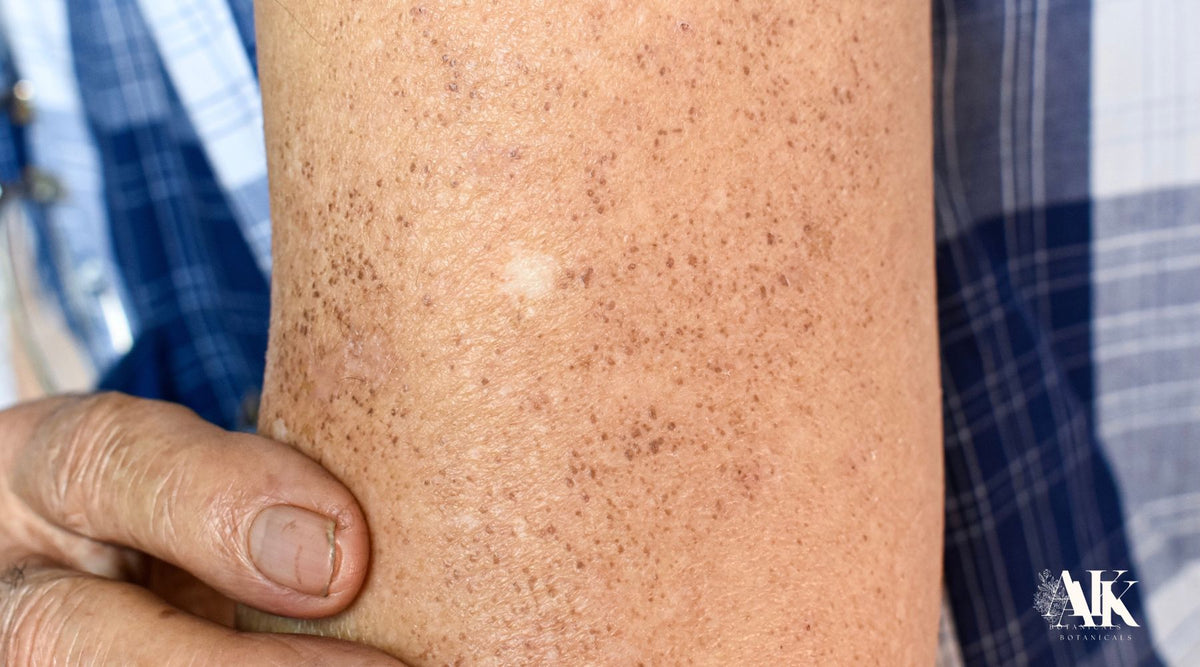
Actinic Keratosis (AK), also known as precancerous skin lesions, occurs primarily due to sun exposure over time. It affects the outer layer of the skin, often creating rough, dry, or scaly patches. These patches are typically found on areas of the skin that are frequently exposed to the sun, such as the face, ears, neck, hands, and arms.
Here's the important distinction: Actinic Keratosis is not skin cancer, but it is considered a precancerous skin condition. That means the lesions themselves are not malignant, yet they carry the potential to develop into skin cancer if left untreated. The majority remain stable, but research shows that a percentage of untreated lesions may progress to squamous cell carcinoma (SCC). SCC is a type of carcinoma — a cancer of epithelial cells — that can spread and cause further complications.
Dermatologists consider AK as a visible warning sign of accumulated actinic damage. It is the body's way of signaling that UV rays have altered the DNA inside skin cells. In medical terms, AK represents benign intra-epithelial neoplasms, meaning abnormal growths confined to the top layer of skin. With ongoing UV exposure or neglect, these abnormal cells may cross the threshold and become invasive, evolving into skin cancer. This is why addressing actinic keratosis early is so important.
Symptoms of Actinic Keratosis
- Rough, scaly patches that may feel like sandpaper.
- Lesions that are pink, red, or flesh-colored.
- Itching or tenderness, and in severe cases, bleeding or crusting over.
- Changes in size, shape, or thickness of lesions over time.
Lesions often don't hurt, but they may become tender, especially if scratched or irritated. Any sudden change in an AK patch — darkening, rapid growth, or ulceration — should be examined promptly with a skin biopsy to rule out progression to squamous cell carcinoma.
What is Eczema?
Eczema, also referred to as atopic dermatitis, is a chronic inflammatory condition that leads to irritation and itching of the skin. Unlike Actinic Keratosis, which stems from UV exposure, eczema develops from an overactive immune response to allergens, irritants, or stress.
Eczema can appear at any age, but it is common in children. It may persist into adulthood and often coexists with conditions such as asthma or hay fever. The exact mechanism isn't fully understood, but it involves a mix of genetics, immune system dysfunction, and environmental triggers.
Symptoms of Eczema
- Itchy, red, inflamed skin.
- Dry, cracked, or thickened patches.
- Sometimes blisters that ooze or crust.
The severity of eczema symptoms varies. Some experience mild patches, while others live with persistent flare-ups that interfere with daily comfort. Scratching often worsens irritation and can open pathways for infections. For this reason, skin care routines that keep the skin hydrated and calm are essential.
Key Differences Between Actinic Keratosis and Eczema
Both Actinic Keratosis and Eczema affect the skin, but their root causes and outcomes are very different.
1. Cause
Actinic Keratosis: Caused by chronic UV exposure, leading to changes in skin cells.
Eczema: Triggered by immune dysregulation and environmental irritants; not related to sun exposure.
2. Appearance
AK: Rough, scaly patches, often pink or red, usually found on sun-exposed areas.
Eczema: Itchy, red, inflamed skin with occasional blisters or cracking.
3. Risk of Skin Cancer
Actinic Keratosis: Classified as a precancerous skin lesion; may progress to squamous cell carcinoma.
Eczema: No increased risk of skin cancer.
4. Treatment
AK: Options include cryotherapy, topical treatments, photodynamic therapy, or in some cases, surgical removal.
Eczema: Typically treated with moisturizers, steroids, or immunomodulators; holistic approaches emphasize avoiding triggers and soothing inflammation.
How to Prevent Actinic Keratosis
Since AK results from actinic damage, prevention is central:
- Sunscreen: Apply broad-spectrum SPF 30+ daily.
- Protective clothing: Wide-brimmed hats, long sleeves, and sunglasses.
- Avoid peak UV hours: 10 a.m. to 4 p.m.
- Skip tanning beds: They accelerate skin damage.
If AK does develop, a dermatologist may recommend:
- Cryotherapy to freeze lesions.
- Topical treatments like 5-fluorouracil to target abnormal cells.
- Photodynamic therapy using light activation to destroy lesions.
- Surgical excision for stubborn or suspicious lesions.
Natural support is also an area of interest. AKti-Clear® is a botanically infused topical designed to support skin wellness, drawing from research on ingredients like Annona muricata (soursop) and Sanguinaria canadensis (bloodroot). Studies highlight their potential antioxidant and skin-conditioning properties.
AKti-Clear® is not intended to diagnose, treat, cure, or prevent any disease. It may support skin wellness when used alongside professional dermatology care.
Managing Eczema Symptoms Holistically
For eczema, a holistic approach can reduce flare-ups:
- Moisturize often: Use fragrance-free creams and ointments to retain hydration.
- Avoid irritants: Eliminate harsh soaps, fragrances, and allergens.
- Natural care: Oils like coconut or tea tree may calm skin.
- Stress management: Stress often worsens eczema; techniques like yoga or mindfulness can help.
- Breathable fabrics: Cotton and other soft fibers reduce irritation.
For severe cases, dermatology care may include topical corticosteroids, immunomodulators, or systemic medications.
When to Seek Medical Help
- Actinic Keratosis: Seek help if you notice patches that persist, change shape, or bleed. A skin biopsy may be performed to confirm diagnosis and rule out carcinoma.
- Eczema: See a healthcare professional if flare-ups persist, worsen, or lead to infection despite over-the-counter treatment.
By understanding whether you're dealing with actinic keratosis or eczema, you can choose the right support for your skin. AK represents accumulated sun damage and carries the potential for progression into skin cancer if ignored. Eczema, in contrast, is an immune-driven condition that affects comfort and appearance but does not pose cancer risk. Both require awareness, consistent care, and when necessary, medical guidance tailored to the individual.
For a complete overview of sun-damaged skin and rough patches, visit our Actinic Keratosis Guide. Browse all our educational resources at the AK Botanicals Resource Center. Ready to try it? Shop AKti-Clear®.