

Photodynamic Therapy for Skin Cancer: Harnessing the Power of Light
Photodynamic therapy (PDT) is a light-based dermatological approach used to address certain types of sun-damaged skin and early-stage non-melanoma skin conditions. Instead of removing tissue throug...
Read more
When Does Actinic Keratosis Become Cancerous?
Actinic keratosis (AK) often begins as a small, rough patch on sun-exposed skin—a sign of long-term UV exposure and cell changes that dermatologists monitor closely. This article explores what AK i...
Read more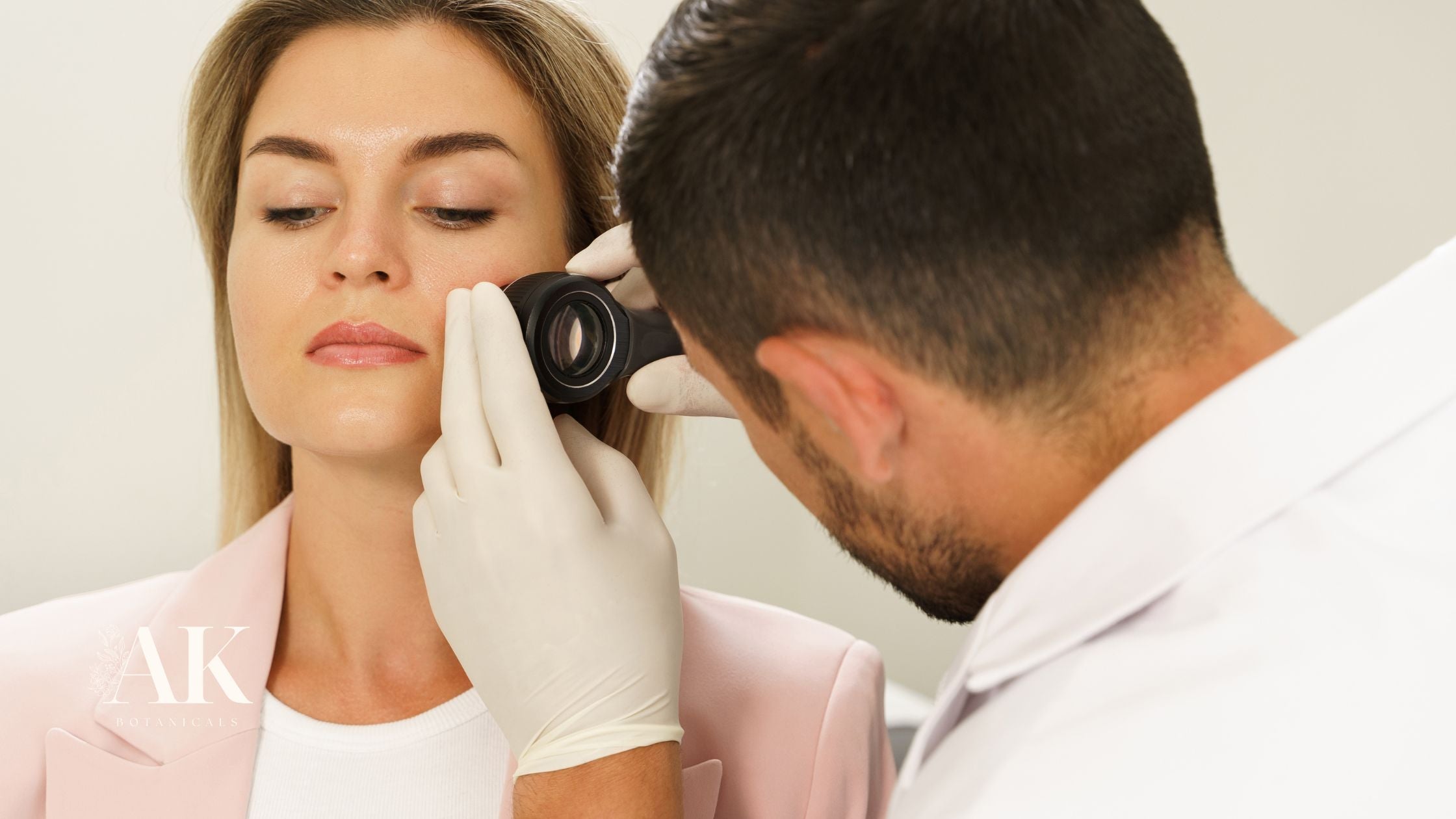
Basal cell carcinoma (BCC) is the most common type of skin cancer, typically caused by years of unprotected sun exposure. While slow to grow, untreated BCC can lead to deeper skin damage. This blog...
Read more
Mohs Surgery: A Precision Treatment for Skin Cancer
Mohs Surgery & Actinic Keratosis – What You Should Know Mohs surgery is a highly effective, tissue-sparing method for removing non-melanoma skin cancers like basal cell carcinoma (BCC), squamou...
Read more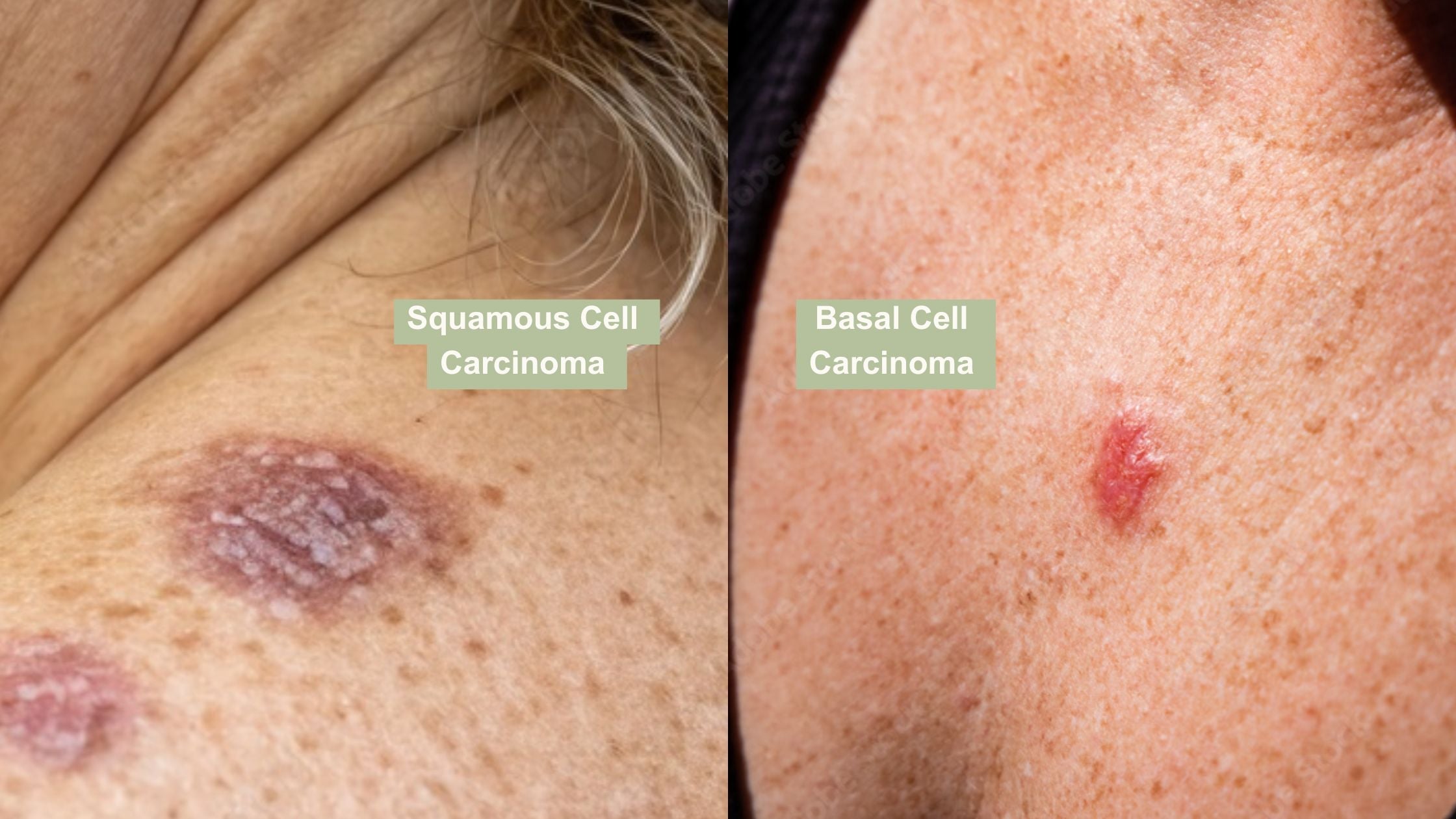
Squamous Cell Carcinoma vs. Basal Cell Carcinoma: What You Need to Know
Basal cell carcinoma (BCC) and squamous cell carcinoma (SCC) are the two most common types of nonmelanoma skin cancer, together affecting over 5 million Americans each year. While basal cell skin c...
Read more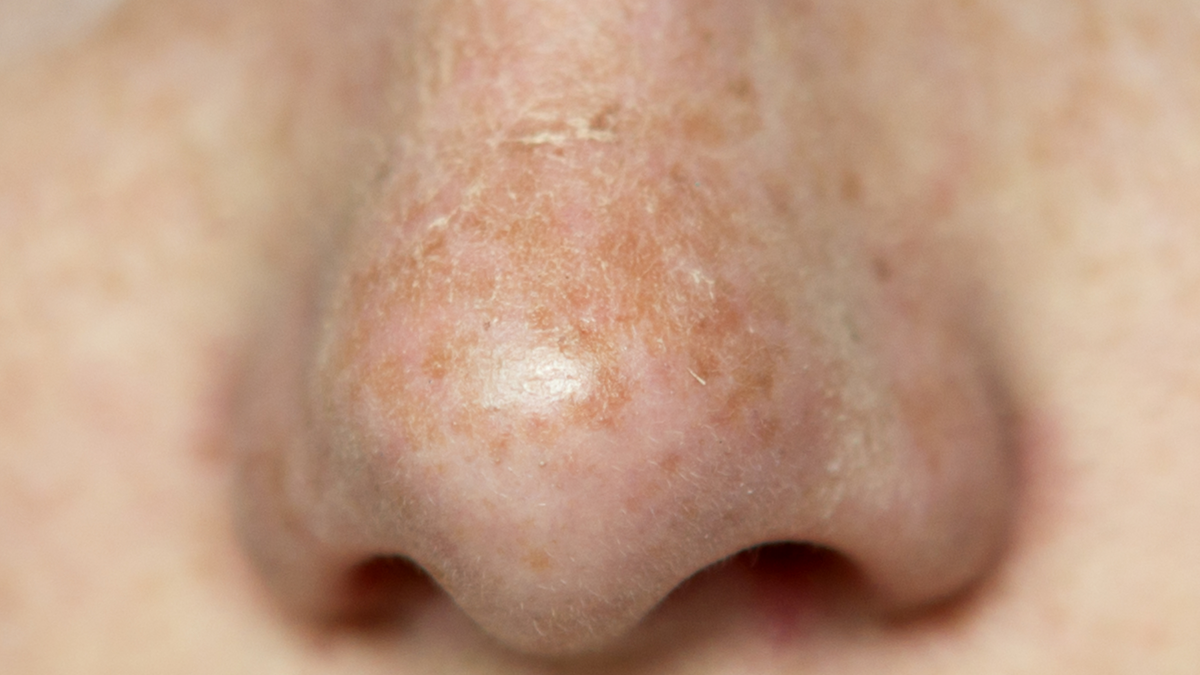
Skin Cancer on Nose: Signs, Risks, and Treatment Options
Skin cancer on the nose—especially basal cell carcinoma and actinic keratosis—is more common than many realize due to constant sun exposure. This detailed guide covers early warning signs, key risk...
Read more
Does Skin Cancer Itch? Understanding the Symptoms and What to Look For
Itching can sometimes be a symptom of skin cancer, but it's not the most reliable sign. Skin cancer primarily manifests as visible changes like unusual moles, persistent sores, or scaly patches. Us...
Read more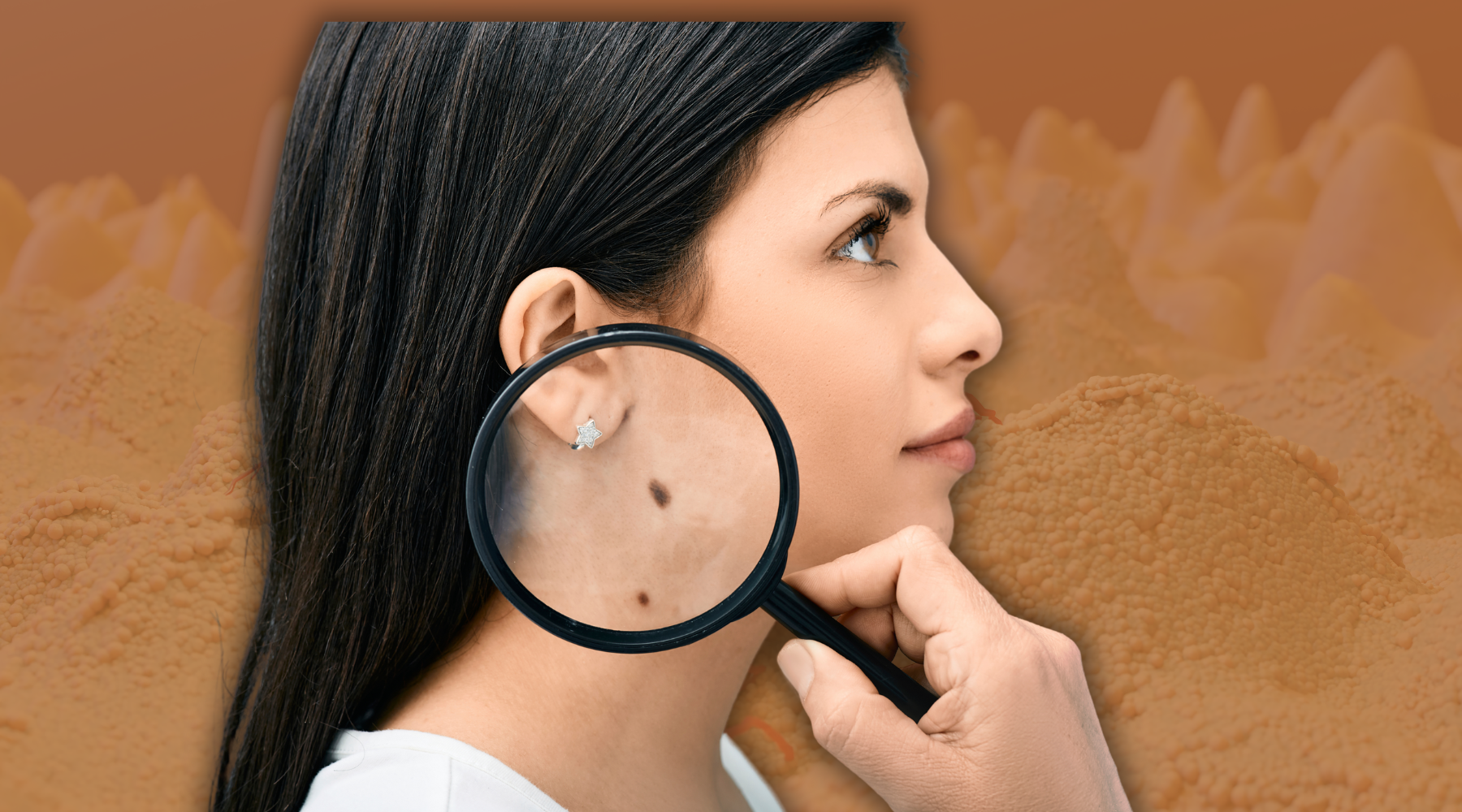
Precancerous vs. Cancerous Cells: What You Need to Know About Skin Cancer Risks
Protecting your skin is about more than sunscreen and moisturizers—it's about understanding the health of your cells. When it comes to skin cancer, distinguishing between precancerous and cancerous...
Read more
How to Identify Precancerous Skin Spots
Understanding how to identify precancerous skin spots is essential for safeguarding your health and ensuring your skin thrives. These spots, often the result of prolonged sun exposure, can develop ...
Read more